
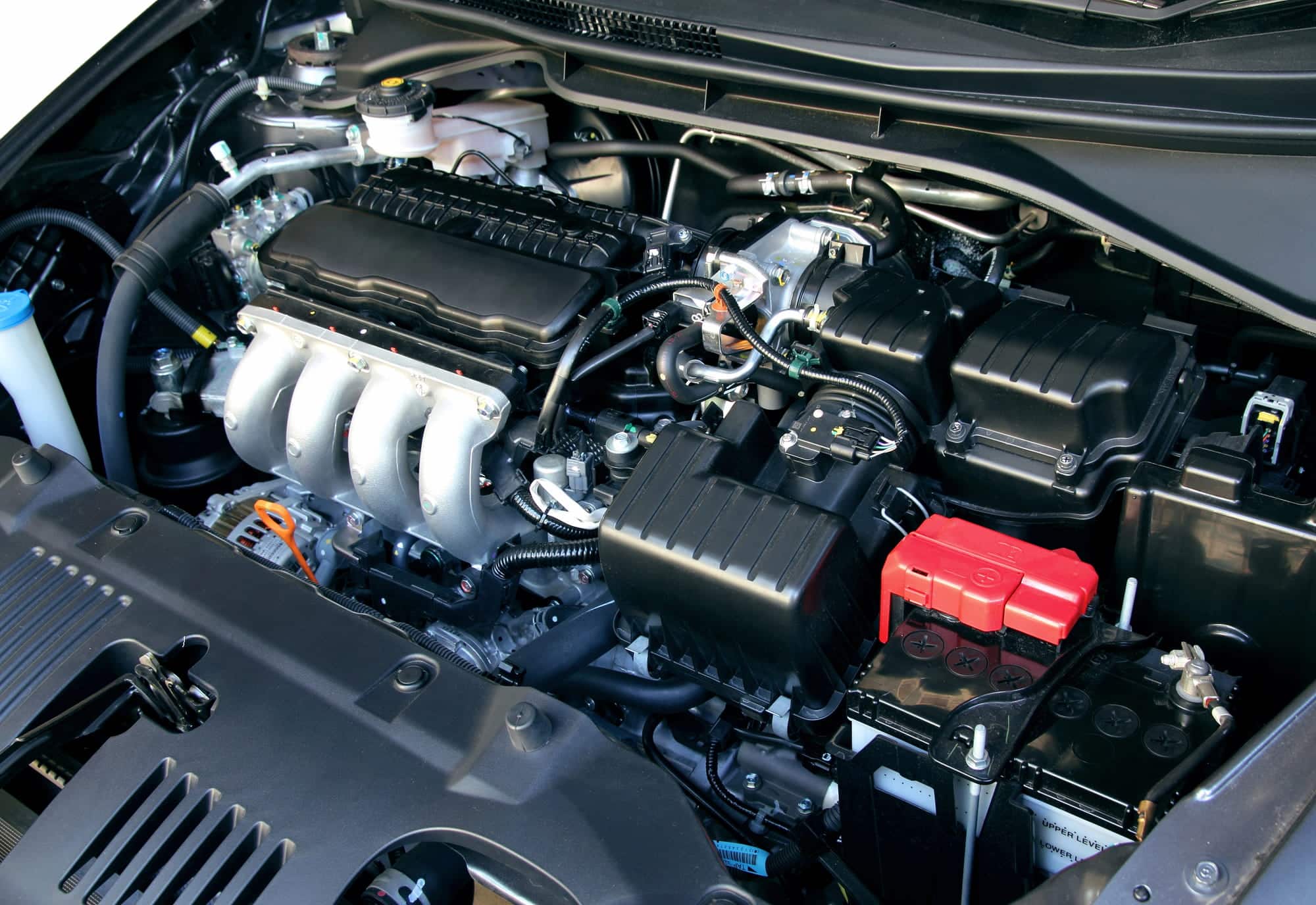
Bentley Engine Repair at DART Auto
Bentley engines – particularly the twin-turbocharged W12 and 4.0L V8 powerplants – represent the pinnacle of grand touring performance engineering. When a Continental GT develops misfires or a Flying Spur shows oil consumption warnings, the repair demands more than generic shop procedures. These engines share platform DNA with Volkswagen Group's most complex powertrains, incorporating direct fuel injection, variable valve timing, and sophisticated boost management that requires factory-level diagnostic capability to diagnose correctly. A misfire on a W12 might stem from ignition coil failure, carbon fouling on intake valves, or turbocharger wastegate malfunction – and guessing costs thousands in unnecessary parts replacement.
DART Auto approaches Bentley engine repair with the diagnostic rigor and OEM tooling these vehicles demand. We maintain access to Bentley-specific repair procedures, torque specifications for head bolt sequences, and the software protocols required to properly bleed cooling systems or reset adaptive fuel trims after component replacement. Our technicians understand the nuances of the 6.0L W12 (used in 2004–2019 Continental models) versus the newer 6.75L twin-turbo V8 architecture, including the common failure modes unique to each generation.
When you bring your Bentley to DART Auto for engine repair, expect:
- Complete digital inspection using factory-grade diagnostic tools to pinpoint root causes before recommending repairs
- Transparent communication about what failed, why it failed, and the consequences of repair versus delay
- OEM or premium aftermarket parts sourced from trusted European suppliers, never economy-grade substitutes
- 3-year/36,000-mile warranty on parts and labor, backing every repair with confidence
Common Engine Repair Issues on Bentley Vehicles
Bentley's twin-turbocharged W12 and V8 powerplants deliver extraordinary performance, but they also introduce specific maintenance and repair challenges rooted in platform design and thermal stress. The Continental GT, Flying Spur, and Bentayga share core engine architectures with Audi's high-output platforms, yet Bentley's tuning for higher torque and luxury refinement creates distinct failure modes that owners encounter as these vehicles age.
- Turbocharger wastegate rattle and failure (2004–2011 Continental GT/GTC W12): The Borg Warner K16 turbos on early W12 engines develop wastegate actuator wear, producing a characteristic rattle at idle and reduced boost pressure. Left unaddressed, the actuator arms seize or break, requiring complete turbocharger replacement rather than actuator-only service.
- Coolant pipe corrosion and leaks (W12 platforms, 2004–2018): The W12's compact packaging routes aluminum coolant pipes through the valley between cylinder banks. Galvanic corrosion at crimp joints causes pinhole leaks that are difficult to diagnose until coolant loss becomes severe. These leaks often contaminate the valley with coolant, risking secondary damage to ignition coils and wiring harnesses.
- Carbon buildup on intake valves (2012–present V8 models with direct injection): Bentley's 4.0L twin-turbo V8 shares the Audi EA824 architecture and suffers from the same direct-injection carbon accumulation on intake valve stems. Without periodic walnut-shell blasting, carbon restricts airflow, causing rough idle, misfires, and reduced power output after 40,000–60,000 miles.
- Oil cooler and heat exchanger leaks (all W12 and V8 turbo engines): High thermal cycling stresses the seals in both engine oil coolers and transmission oil-to-coolant heat exchangers. External leaks are straightforward, but internal breaches allow coolant into the oil system or vice versa, risking catastrophic bearing damage if not caught early through fluid analysis.
- Timing chain tensioner wear (V8 engines, 2013–2019): Early EA824 V8s exhibit timing chain stretch and tensioner failure between 60,000 and 100,000 miles, producing a cold-start rattle from the front of the engine. Delayed replacement risks chain-guide breakage, valve-to-piston contact, and complete engine destruction.
- PCV valve and crankcase ventilation system clogging (all turbocharged models): Bentley's positive crankcase ventilation systems accumulate oil vapor sludge, causing increased crankcase pressure, oil leaks at gaskets and seals, and excessive oil consumption. The W12's complex valley-mounted PCV components require significant disassembly to access and replace.
Why Choose DART Auto for Bentley Engine Repair
Bentley engines demand precision that goes beyond general European repair. The W12 platform – shared across Continental GT, Flying Spur, and Bentayga models since 2003 – requires factory-level diagnostic capability to interpret fault codes correctly, especially when addressing misfires traced to coil-on-plug failures or carbon fouling on direct-injection systems. DART Auto maintains the same ODIS diagnostic platform Bentley dealerships use, plus the torque-angle tooling and fluid specifications the factory prescribes for timing-chain service on the 6.0L twin-turbo V12.
Our master technicians average over a decade of experience with European powertrains and receive ongoing factory training updates. Because we pay technicians on salary rather than flat-rate, there's no incentive to rush diagnosis or recommend unnecessary teardowns. We perform complete leak-down and compression testing before opening an engine, document findings with photos, and explain whether a valve-cover reseal will solve your oil consumption issue or whether cylinder-head work is the right path forward.
- Platform expertise: familiarity with TSB updates for PCV valve failures on 2004–2011 Continental GT and crankcase ventilation redesigns
- OEM procedures: adherence to Bentley torque specs, cam-timing verification, and post-repair adaptation resets
- 3-year/36,000-mile warranty on parts and labor, giving you confidence the repair will last
- Transparent estimates: written quotes with itemized labor and parts before any wrench turns
Symptoms – How to Know You Need This Service
Bentley engine issues often announce themselves through subtle changes before escalating to major failures. Pay attention to these warning signs:
- Check Engine Light with reduced power mode – especially if accompanied by rough idle or hesitation under acceleration; common with ignition coil failures on W12 engines
- Blue-gray smoke from the exhaust on startup – indicates valve guide wear or turbocharger seal deterioration allowing oil into the combustion chamber
- Metallic ticking or knocking sounds from the engine bay – may signal timing chain tensioner wear (common on early Continental GT models) or lifter collapse; stop driving immediately if knocking intensifies
- Persistent oil consumption requiring frequent top-ups – watch for PCV valve failures or piston ring wear, particularly on higher-mileage V8 engines
- Coolant loss without visible leaks – can indicate head gasket seepage or internal coolant passage cracks; schedule diagnosis promptly to avoid catastrophic overheating
- Rough idle with vibration felt through the steering wheel – points to misfires, vacuum leaks, or carbon buildup on intake valves
- Sweet smell in the cabin or visible steam from the hood – suggests coolant system failure; pull over safely and shut down the engine immediately
If you experience sudden power loss, severe knocking, or overheating warnings, do not continue driving. Arrange for towing to prevent turning a repairable issue into a complete engine replacement.
Which Bentley Models We See for Engine Repair
DART Auto services the full range of modern Bentley platforms, with deep experience in the turbocharged engines that define the marque's performance character:
- Continental GT / GTC / Flying Spur (2004–2018, first and second generation) – both 6.0L W12 twin-turbo and 4.0L V8 twin-turbo variants; common repairs include ignition coil replacement, turbocharger actuator service, and timing chain tensioner updates
- Continental GT / GTC / Flying Spur (2018–present, third generation) – updated 6.0L W12 and 4.0L V8 with revised direct injection and emissions systems
- Bentayga (2016–present) – all engine variants including the 4.0L V8 twin-turbo, 6.0L W12, and hybrid powertrain configurations
- Mulsanne (2010–2020) – 6.75L V8 twin-turbo engine with unique service requirements distinct from VW Group-shared platforms
- Azure, Arnage, Brooklands (pre-2010 models) – older naturally aspirated and turbocharged V8 engines; we handle these on a case-by-case basis depending on parts availability
We focus primarily on 2004-and-newer models where factory diagnostic support and parts supply remain robust. For pre-Continental era Bentleys or heavily modified vehicles, we recommend consultation before scheduling to confirm parts sourcing and diagnostic capability for your specific configuration.
Causes & Risks – What Happens if Ignored
Engine issues on Bentley vehicles stem from the intersection of high-performance engineering, thermal extremes, and the realities of aging luxury cars. The W12 and V8 turbo platforms generate immense heat and pressure, accelerating wear on seals, gaskets, and cooling components. Short-trip driving in urban environments prevents these engines from reaching full operating temperature consistently, promoting carbon buildup and oil sludge formation. Colorado's altitude reduces air density, forcing turbos to work harder to achieve target boost levels, which accelerates wastegate and actuator wear.
Delaying engine repairs on a Bentley transforms manageable maintenance into catastrophic failure:
- Ignoring turbocharger wastegate rattle for 5,000–10,000 miles: What begins as an actuator arm bushing issue progresses to complete wastegate seizure, overboost conditions that stress head gaskets, and eventual turbocharger compressor wheel failure requiring replacement of both turbos and inspection of intercoolers for debris contamination.
- Driving with coolant pipe leaks beyond initial detection: Minor valley leaks saturate ignition coils and spark plug boots, causing misfires that dump unburned fuel into catalytic converters. Continued operation melts converter substrates, creates downstream oxygen sensor failures, and risks engine bay fires from coolant contacting hot exhaust components.
- Deferring carbon cleaning past 70,000 miles: Severe carbon accumulation causes intake valve sealing failures, compression loss, and oil consumption as blow-by increases. Misfires under load damage catalytic converters, and the ECU enters limp mode to protect the drivetrain, leaving you stranded or unable to merge safely on highways.
- Running an engine with failing timing chain tensioners: Chain slack allows the timing relationship between crankshaft and camshafts to slip. Valve timing errors reduce power and fuel economy initially, but sudden tensioner collapse lets the chain jump teeth, causing pistons to strike open valves. The resulting internal damage requires complete engine replacement rather than a tensioner and chain service.
- Operating with compromised oil cooler seals: Coolant contamination emulsifies engine oil, destroying its lubricating properties. Bearings score within hours of operation, and aluminum cylinder walls in the W12 experience accelerated wear. What could have been a cooler replacement becomes a full engine rebuild with new bearings, pistons, and cylinder boring.
Safety Impact – Why Engine Repair Matters
Engine failures on Bentley vehicles create immediate safety hazards beyond inconvenience. Sudden loss of power while merging onto I-25 or climbing mountain passes eliminates your ability to accelerate out of dangerous situations. Turbocharger failures can dump oil into the exhaust stream, producing dense smoke that blinds following drivers and creates multi-vehicle collision risks. Coolant leaks that reach hot exhaust manifolds generate steam clouds under the hood, obscuring your vision and potentially causing you to stop in traffic lanes.
Specific failure modes demand different urgency levels:
- Stop driving immediately: Engine oil contaminated with coolant (milky dipstick), sudden loss of boost pressure with check engine light and limp mode, timing chain rattle that persists after warm-up, visible coolant or oil pooling under the vehicle after short trips, steam from the engine bay, or any grinding or knocking sounds from the engine block.
- Schedule service within the week: Gradual oil consumption requiring a quart every 1,000 miles, intermittent rough idle that smooths out when warm, minor coolant loss without visible external leaks, turbo wastegate rattle only at cold start, or check engine lights for multiple cylinder misfires that clear and return.
- Plan service within the month: Reduced fuel economy without performance loss, occasional hesitation under hard acceleration, slight oil seepage at valve covers or oil pan, or maintenance reminders for carbon cleaning services based on mileage intervals.
Insurance and liability considerations become relevant if a known engine defect contributes to an accident. Documented awareness of turbocharger failure or timing chain issues that you chose to defer can complicate claims if mechanical failure causes loss of vehicle control or a collision.
How Bentley Engine Repair Actually Works
Bentley's W12 engine uses a unique configuration: two narrow-angle VR6 banks mated at 72 degrees, creating a compact twelve-cylinder layout with four turbochargers (early models) or two larger turbos (later revisions). This architecture places critical components – coolant pipes, PCV valves, ignition coils – deep in the valley between banks, requiring removal of intake manifolds, fuel rails, and sometimes the entire upper engine assembly to access failed parts. The V8 shares Audi's EA824 platform but incorporates Bentley-specific engine management calibrations, requiring factory-level diagnostic access to properly monitor fuel trims, boost control, and valve timing parameters during repair validation.
Proper Bentley engine repair demands OEM-specific procedures that generic shops cannot replicate:
- Turbocharger replacement requires ECU adaptation: New turbos must be coded to the engine control unit with wastegate actuator position data and boost pressure maps. Without this step, the ECU cannot properly modulate boost, leading to overboost faults or underperformance.
- Timing chain service follows strict torque-angle specifications: Bentley publishes multi-stage torque sequences for chain tensioners and cam phaser bolts, with final angles measured using calibrated electronic torque wrenches. Improper tensioning leaves slack that defeats the
How We Diagnose Engine Repair Issues on Bentley
Bentley engines – whether the twin-turbo W12 found in Continental GT models or the 4.0L twin-turbo V8 shared with certain Audi platforms – demand precision diagnostics. These powerplants are tightly integrated with complex engine management, variable valve timing, and turbocharger control systems that require factory-level scan tools to interrogate. We begin every Bentley engine diagnosis with the same factory-grade equipment the dealer uses, then layer on the experience that comes from two decades of European repair.
- Comprehensive scan with Bentley-specific diagnostic software. We pull fault codes from all control modules – engine, transmission, turbo wastegate actuators, and fuel system. On W12 platforms, this reveals cylinder-specific misfires, cam position faults, and boost deviations that point to mechanical wear or sensor drift.
- Live data monitoring under load. We road-test the vehicle while logging parameters: fuel trims, ignition timing, turbo boost pressure, and oil temperature. Deviations from factory specs highlight issues like carbon buildup on intake valves (common on direct-injection V8 engines), wastegate actuator failures, or failing crankcase ventilation valves that cause oil consumption.
- Physical inspection and measurement. We perform compression and leak-down tests to assess cylinder health, inspect timing chain tension on V8 engines (stretch is a known issue on early Continental GT V8 models), and check for oil leaks at the valley pan, cam covers, and turbocharger oil feed lines.
- Correlation and planning. We cross-reference scan data, measured values, and visual findings to isolate the root cause – not just the symptom. You receive a detailed explanation of what failed, why it matters, and what the repair entails before any wrench turns.
This process ensures we're fixing the actual problem, not chasing symptoms or replacing parts on speculation. The result is a clear, honest repair plan and a quote you can trust.
Engine Repair on Bentley: Repair vs. Replacement
Not every Bentley engine issue requires replacement. The decision hinges on the scope of wear, the cost of labor to access the component, and whether adjacent parts are likely to fail soon. Here's how we evaluate the options:
When Repair Makes Sense
- Carbon cleaning on direct-injection V8 engines. Intake valve carbon buildup is a maintenance item, not a failure. Walnut-blasting the valves restores airflow and idle quality without replacing anything.
- Turbocharger wastegate actuator replacement. On W12 and V8 turbo engines, actuators fail while the turbo itself remains sound. Replacing the actuator and recalibrating boost control solves the problem at a fraction of turbo replacement cost.
- Valve cover gasket and PCV valve service. Oil leaks and excessive consumption often trace to failed crankcase ventilation components – a repair, not an engine replacement.
When Partial or Full Replacement Is the Right Call
- Timing chain stretch or guide failure on V8 engines. If the chain has stretched beyond spec or guides have fractured, replacement is mandatory. Delaying risks catastrophic valve-to-piston contact.
- Cylinder scoring or bearing wear. If compression tests reveal cylinder damage or oil analysis shows bearing material, a short-block or complete engine replacement becomes the only durable fix.
- Turbocharger failure with shaft play. When the turbo's center section shows excessive play or oil contamination, replacement is safer and more cost-effective than attempting a rebuild on a high-boost application.
We walk you through the cost-benefit analysis for your specific situation. Our salaried technicians have no incentive to upsell – we recommend what we'd do if the Bentley were ours.
How to Make Your Bentley Engine Repair Last Longer
Once we've addressed the issue, a few habits will help you protect your investment and extend the interval before the next major service.
Driving Habits That Protect Bentley Engines
- Allow proper warm-up before hard acceleration. Turbocharged engines need oil temperature above 180°F before demanding full boost. Cold-start wide-open throttle accelerates bearing and turbo wear.
- Cool-down period after spirited driving. Let the engine idle for 30–60 seconds after highway or track use to allow turbo oil to circulate and prevent coking in the bearing journals.
- Avoid prolonged idling in extreme heat. Bentley engines run hot under load; extended idling in summer reduces airflow across the radiator and stresses coolant hoses and water pumps.
Maintenance You Can Monitor
- Check oil level weekly. W12 and V8 turbo engines can consume oil under hard use. Topping off between services prevents bearing damage.
- Listen for changes in engine note. New rattles at startup (timing chain), whistling under boost (turbo leak), or ticking at idle (lifter wear) warrant immediate inspection.
- Watch for warning lights. Bentley's engine management is conservative – a check-engine light often precedes mechanical damage. Have it scanned promptly.
What to Leave to the Professionals
Use factory-spec oil (0W-40 meeting VW 502.00 / 505.00 on most models) and OEM or equivalent filters. Follow Bentley's service intervals for spark plugs, air filters, and coolant flushes – deferred maintenance accelerates carbon buildup and cooling system failures. Software updates from the dealer or a qualified shop address known drivability issues and protect long-term durability. Leave timing chain service, turbo replacement, and internal engine work to experienced technicians with the specialty tools and training these engines demand.
What to Expect When You Bring Your Bentley In
We treat every Bentley engine concern as a diagnostic puzzle, not a parts-replacement guess. Here's how the process unfolds from the moment you schedule your appointment:
- Drop-off and intake interview. We'll ask about symptoms – rough idle, oil-consumption rate, check-engine light behavior, any recent service history. Bring your service records if you have them; knowing whether the last timing-chain service was done helps us narrow the scope. Loaner vehicles and shuttle service are available by request.
- Comprehensive inspection and scan. Before quoting engine work, we pull stored and pending fault codes, run a cylinder-contribution test, check for vacuum leaks, and inspect accessory-belt condition. On W12 platforms, we verify turbocharger wastegate operation and PCV valve function – common culprits for oil leaks misdiagnosed as gasket failures.
- Written estimate and approval. You'll receive a detailed quote explaining what we found, which repairs address the root cause, and what can wait. We walk through the consequences of delaying work so you can make an informed decision.
- Repair execution. We source OEM or premium aftermarket parts from trusted suppliers, follow factory torque sequences, and document each phase with photos. Updates are sent if we discover additional wear during teardown.
- Post-repair verification. Every engine repair ends with a road test, scan-tool recheck to confirm no pending codes, and a final walk-through at pickup. If something feels off within the warranty window, bring it back – we'll make it right.
Remove personal items from the cabin before drop-off; after-hours key drop and pickup are available if your schedule demands it.
Our Bentley Services
- Air Conditioning AC Repair
- Battery Repair Replacement
- Brake Repair & Brake Fluid Change
- Check Engine Light Diagnostics
- Clutch Repair & Replacement
- Coolant Leak Repair
- Cooling System Repair
- Drive Shaft Repair
- Exhaust & Catalytic Converter Repair
- Head Gasket Repair & Replacement
- Oil Change
- Oil Leak Repair
- Scheduled Service Maintenance
- Steering Repair
- Suspension Repair
- Cambelt Timing Belt Replacement
- Transmission Repair
- Tune Up
- Wheel Alignment