
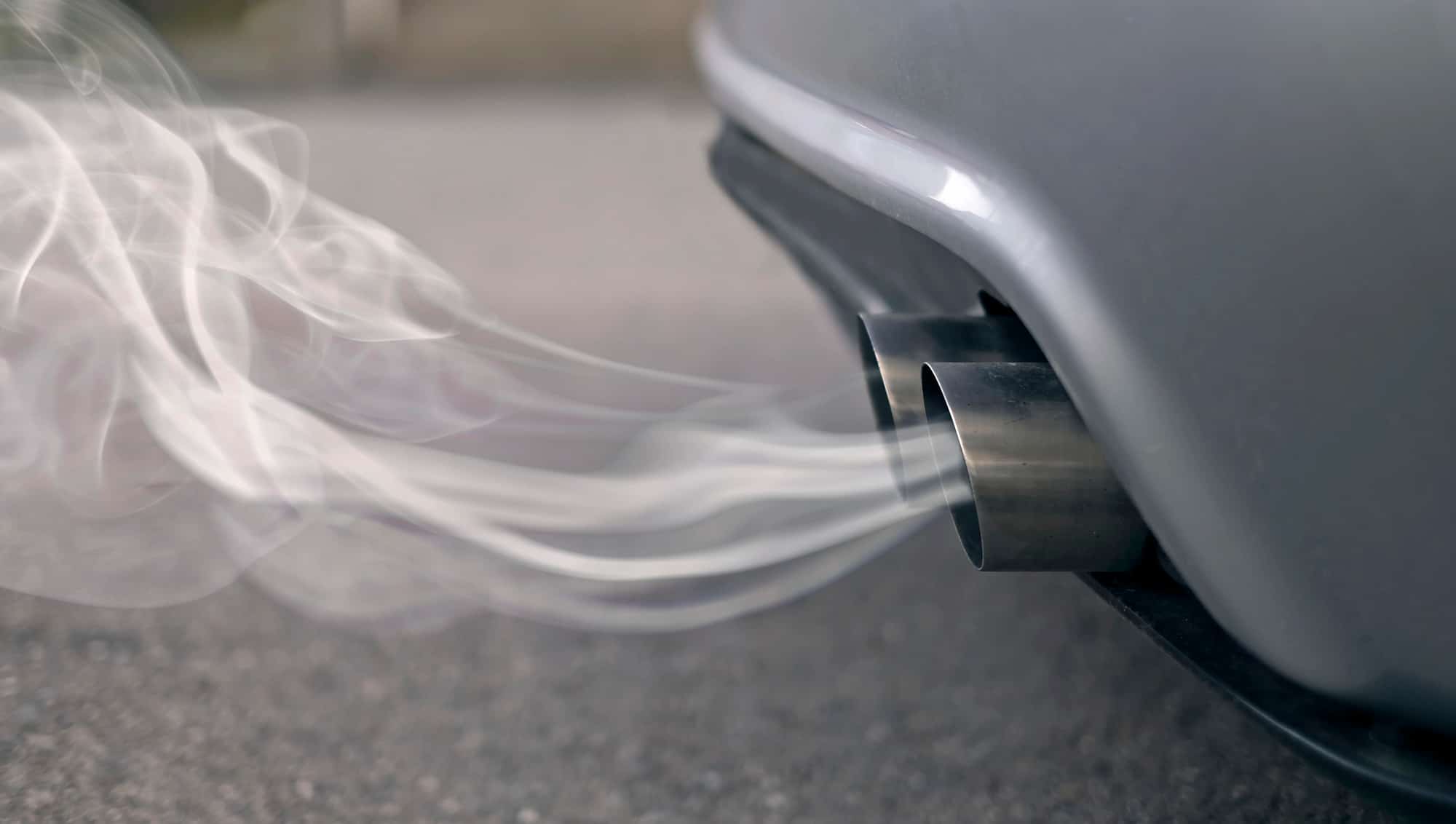
Bentley Exhaust & Catalytic Converter Repair at DART Auto
A Bentley owner in Cherry Creek called us after his Continental GT started throwing check-engine codes on the way to Vail. The catalytic converters had failed prematurely – a known concern on early W12 platforms where rich fuel trims and heat cycling degrade substrate material faster than expected. The dealer quoted replacement at an eye-watering figure and couldn't schedule the work for ten days. We had the car on the lift that afternoon, diagnosed the specific bank-two catalyst efficiency fault with factory-level VCDS tooling, and sourced OEM-spec converters that meet Euro emissions standards without the dealer markup. Three days later, he drove home with full power restored and no dashboard warnings.
Bentley exhaust and catalytic converter systems are engineered for performance and refinement. The W12 and V8 platforms use multi-stage catalyst arrangements with precise oxygen-sensor feedback loops that demand OEM-grade parts and proper calibration. Generic shops often misdiagnose upstream O2 sensor faults as catalyst failure, or install universal-fit converters that trigger persistent codes because they don't match the ECU's flow and backpressure maps. We use Bentley-specific repair procedures, torque specifications for exhaust flanges and clamps, and post-repair drive cycles to confirm readiness monitors complete correctly.
When you bring your Bentley to DART Auto for exhaust and catalytic converter work, expect:
- Comprehensive fault-code analysis using VCDS and Bentley factory diagnostic protocols to isolate catalyst efficiency loss, oxygen sensor drift, or mechanical exhaust leaks
- OEM or premium aftermarket catalytic converters engineered to Bentley flow rates and substrate loading, preventing check-engine light recurrence
- Inspection of exhaust manifold studs, flex joints, and heat shields – common failure points on high-mileage Continental, Flying Spur, and Bentayga models
- Drive-cycle verification to ensure all readiness monitors set and emissions compliance is restored for registration and long-term reliability
Common Exhaust & Catalytic Converter Repair Issues on Bentley Vehicles
A longtime Bentley Continental GT owner brought his 2006 model to our shop after noticing a rattling sound under acceleration and a persistent check-engine light. The diagnosis revealed both catalytic converters had deteriorated internally, scattering substrate material through the exhaust. This kind of failure isn't just about emissions – it can choke engine performance and damage downstream oxygen sensors.
- W12 and V8 catalytic converter substrate failure (2004–2011 Continental GT/Flying Spur): The twin-turbo W12 and naturally aspirated V8 platforms run extremely hot exhaust temperatures. Substrate material inside the cats breaks apart after high mileage or repeated heat cycles, creating rattles and triggering P0420/P0430 codes. Once the honeycomb structure collapses, backpressure increases and performance drops noticeably.
- Flex-pipe cracking on Continental GT/GTC (2012–2018 Gen2): The flexible coupling sections between turbochargers and catalytic converters develop stress cracks from thermal expansion and vibration. These cracks allow exhaust leaks that trigger oxygen sensor faults and create a ticking sound at idle that grows louder under load.
- Turbocharger-to-downpipe gasket leaks (2013+ V8 S models): The high-boost V8 S variants use multi-layer steel gaskets that compress over time. Exhaust leaks here cause inaccurate oxygen sensor readings, poor fuel trim, and a noticeable smell of raw exhaust in the cabin during warm-up.
- Heat shield deterioration and rattling (all models 2003+): Bentley uses extensive heat shielding to protect undercarriage components from exhaust temperatures. Mounting tabs corrode and shields come loose, creating metallic rattles that owners often mistake for internal engine noise.
- Secondary air injection valve failure affecting emissions (2004–2012 W12 engines): The air injection system pumps fresh air into exhaust manifolds during cold starts to light off catalytic converters faster. When these valves stick or fail, the cats don't reach operating temperature quickly, triggering readiness monitor failures and check-engine codes.
- Oxygen sensor degradation from fuel contamination (all turbocharged models): Carbon buildup and oil vapor from the crankcase ventilation system coat oxygen sensors over time, causing sluggish response and incorrect air-fuel mixture adjustments that accelerate catalytic converter wear.
Why Choose DART Auto for Bentley Exhaust & Catalytic Converter Repair
A customer arrived last month with a Continental GT showing a persistent check-engine light and a noticeable rasp under acceleration. The dealership had quoted replacement catalytic converters and downstream sensors, but the owner wanted a second opinion. Our technicians connected factory-level ODIS diagnostics and discovered the actual culprit: a cracked exhaust manifold on the 6.0L W12, a known weakness on 2004–2010 models where thermal cycling causes hairline fractures near the turbo flanges. We repaired the manifold, verified catalyst efficiency with live-data monitoring, and cleared the codes. The car left running as Bentley intended, and the customer saved thousands over the dealer quote.
That level of precision separates our approach from generic muffler shops. Bentley exhaust systems are engineered for performance and emissions compliance, with oxygen sensors, pre-cats, main catalysts, and resonators all calibrated to exact backpressure and flow parameters. We use:
- ODIS and VAS diagnostic platforms to read Bentley-specific fault codes, monitor catalyst efficiency in real time, and perform post-repair drive-cycle verification
- OEM repair procedures and torque specifications for exhaust fasteners, flex-joint alignment, and heat-shield reinstallation
- Master technicians with dealer training who understand platform differences between the Arnage, Mulsanne, Continental, and Flying Spur chassis
- Premium OEM and OE-equivalent parts sourced from trusted suppliers, never universal-fit components that compromise fitment or longevity
Because our technicians are salaried rather than flat-rate, they take the time to diagnose root causes – whether that's a failed catalyst, an upstream air-fuel imbalance, or an exhaust leak triggering false sensor readings. You get an honest assessment, a transparent estimate, and repairs backed by our 3-year/36,000-mile warranty on parts and labor.
Symptoms – How to Know You Need This Service
Bentley exhaust and catalyst problems announce themselves in ways that range from subtle performance loss to glaring dashboard warnings. You may notice:
- Check-engine light with P0420 or P0430 codes indicating catalyst efficiency below threshold – common on 2004–2010 Continental GT W12 models after 60,000 miles due to heat stress and fuel-system richness
- Rattling or metallic buzz from underneath at idle or light throttle – often a collapsed catalyst substrate or broken heat shield bracket, especially on Bentayga V8 models where off-road vibration loosens exhaust hardware
- Sulfur or rotten-egg smell from the exhaust – a telltale sign that the catalyst is overheating and breaking down, frequently paired with misfires or rich fuel trim on one bank
- Loss of power or sluggish acceleration – restricted exhaust flow from a clogged converter chokes engine breathing and limits boost on turbocharged models
- Hissing or ticking noises that change with engine speed – exhaust manifold gasket leaks or cracked flex joints upstream of the catalysts, allowing hot gases to escape before treatment
- Visible exhaust soot or black residue near tailpipes – incomplete combustion reaching the catalyst, often due to faulty oxygen sensors feeding incorrect air-fuel data to the ECU
- Illuminated emissions warning or reduced-power mode – the ECU has detected catalyst failure severe enough to limit performance and protect downstream components
If you see reduced-power warnings or smell burning plastic near the exhaust, schedule service immediately to prevent catalytic meltdown or underbody heat damage.
Which Bentley Models We See for Exhaust & Catalytic Converter Repair
We service exhaust and catalytic converter systems across the full Bentley lineup, with deep experience on platforms that share architecture with Audi and Volkswagen Group high-performance models. The work varies by powertrain – W12 engines require bank-specific catalyst replacement and complex oxygen-sensor calibration, while the newer V8 turbo models demand attention to pre-turbo exhaust manifold integrity and wastegate actuator clearance during converter service.
- Continental GT and GTC (2003–present) – first-generation W12 models (through 2010) commonly need catalyst replacement due to heat cycling; second-generation V8 and W12 (2011–2018) see flex-joint failures and downstream O2 sensor faults; third-generation models (2018+) benefit from improved materials but still require OEM-spec parts for proper ECU communication
- Flying Spur (2005–present) – shares Continental platform and powertrain, with identical catalyst-efficiency concerns on early W12 engines and exhaust-hanger fatigue on high-mileage examples
- Bentayga (2016–present) – V8 and W12 variants both use close-coupled catalysts that run extremely hot; off-road use accelerates heat-shield damage and exhaust-mount wear, and the hybrid model adds complexity with electric-drive integration
- Mulsanne (2010–2020) – the 6.75L V8 platform uses traditional cast-iron manifolds and larger catalysts; less common for premature failure but requires specialty tooling for proper fitment and post-repair calibration
- Arnage and Azure (1998–2009) – older V8 turbo models where catalyst substrate degradation and exhaust-manifold stud corrosion are routine maintenance items on cars with original components
We handle both naturally aspirated and turbocharged configurations, manual and automatic transmissions, and all-wheel-drive variants. If you own a rare coachbuilt or limited-edition Bentley, call us to discuss parts sourcing and repair approach before scheduling.
Causes & Risks – What Happens if Ignored
Exhaust and catalytic converter problems on Bentley vehicles stem from the unique demands these luxury performance engines place on emissions components. The W12 platform generates exhaust temperatures that routinely exceed what most passenger cars ever see, while turbocharger installations create intense thermal cycling every time you drive. Short trips around Denver never let catalytic converters reach full operating temperature, allowing moisture and fuel residue to accumulate. Colorado's temperature swings – from subzero mornings to warm afternoons – cause expansion and contraction that fatigues metal components and gaskets.
When you ignore early warning signs, the damage compounds quickly:
- Catalytic converter rattles turn into complete blockages: Loose substrate material migrates downstream and can plug the exhaust entirely, causing the engine to lose power or refuse to start. What begins as an annoying sound becomes a vehicle that won't move.
- Small exhaust leaks create oxygen sensor failures: Unmetered air entering through cracks confuses the engine management system, forcing it into open-loop mode with poor fuel economy and rough running. Replacing sensors without fixing leaks wastes money on parts that will fail again immediately.
- Failed secondary air injection damages catalytic converters prematurely: Without the air pump lighting off the cats during cold starts, unburned fuel enters the converters and overheats them during the first few minutes of operation, drastically shortening their lifespan.
- Backpressure from clogged cats strains turbochargers: Turbocharged Bentley engines rely on free-flowing exhaust to spool efficiently. Restricted flow forces turbos to work harder, accelerating bearing wear and potentially leading to complete turbo failure that costs significantly more than addressing the original exhaust issue.
- Prolonged rich-running conditions wash cylinder walls: When oxygen sensors provide bad data, the ECU compensates by adding fuel. Excess fuel dilutes engine oil and washes protective oil film off cylinder walls, inviting premature wear on an engine designed to last hundreds of thousands of miles.
Safety Impact – Why Exhaust & Catalytic Converter Repair Matters
Exhaust system failures on a Bentley affect more than just emissions compliance. A completely blocked catalytic converter can leave you stranded in traffic or on a highway entrance ramp when the engine loses all power. Exhaust leaks upstream of oxygen sensors cause the engine to run dangerously rich or lean, creating hesitation during acceleration exactly when you need predictable throttle response to merge or avoid hazards.
Carbon monoxide intrusion represents the most serious immediate danger. Bentley's cabin sealing is excellent under normal conditions, but exhaust leaks near flex pipes or manifold connections allow odorless CO to migrate into the passenger compartment through the climate system. Symptoms start subtle – headache, fatigue, difficulty concentrating – and worsen with exposure time.
Urgency guidelines for common symptoms:
- Stop driving immediately: Strong exhaust smell inside the cabin, complete loss of power, or visible flames/sparks from underneath the vehicle
- Schedule within days: Check-engine light with noticeable performance loss, loud exhaust leaks, or rattling that changes with engine speed
- Address soon but not urgent: Intermittent check-engine codes without drivability issues, minor heat shield rattles, or slightly elevated emissions readings
Insurance and liability considerations matter too. If an exhaust-related failure contributes to an accident and records show you ignored warning lights or known defects, you may face coverage complications or liability exposure.
How Bentley Exhaust & Catalytic Converter Repair Actually Works
Bentley exhaust systems integrate tightly with engine management, requiring more than simple bolt-on replacement. The W12 platform uses individual catalytic converters for each cylinder bank, with dedicated oxygen sensors providing real-time feedback to adjust fuel delivery within milliseconds. Turbocharged V8 models position cats immediately downstream of the turbochargers to maximize temperature for efficient emissions conversion, but this placement subjects components to extreme thermal stress.
What makes Bentley exhaust work different from typical repairs:
- Component coding and adaptation: New catalytic converters and oxygen sensors must be registered in the engine control module using factory diagnostic software. The ECU stores aging parameters for each sensor; installing new parts without resetting these values causes incorrect fuel trim and premature check-engine codes.
- Turbocharger clearance and alignment: Replacing downpipes or flex sections requires precise fitment to avoid interference with turbo actuators and wastegate linkages. Aftermarket parts rarely account for the tight tolerances Bentley engineers designed around, making OEM or OEM-equivalent components essential.
- Heat shield reinstallation sequences: Multiple layers of shielding protect fuel lines, brake lines, and chassis components from radiant heat. These shields install in specific sequences with crush washers and spring clips that must be replaced to prevent rattles and maintain proper standoff distances.
- Emissions system readiness protocols: After catalytic converter replacement, the ECU runs specific drive cycles to verify proper function before setting readiness monitors to "complete." Without following Bentley's prescribed test procedures, the vehicle won't pass emissions testing even though the repair is mechanically sound.
Our technicians use the same ODIS diagnostic platform Bentley dealers rely on, allowing us to perform component coding, read freeze-frame data from emissions faults, and verify repair success through guided function tests. We source catalytic converters that meet or exceed OEM substrate density and precious metal loading, ensuring they'll handle the thermal demands of your specific engine platform for years to come.
How We Diagnose Exhaust & Catalytic Converter Repair Issues on Bentley
A customer recently arrived with a Continental GT that had triggered a check-engine light and developed a faint rattle under acceleration. The owner suspected a heat shield, but the real culprit turned out to be a cracked catalytic converter substrate on the right bank – a failure mode we've seen on 2004–2012 W12 platforms when original cats age past 100,000 miles. Pinpointing the exact failure requires methodical steps, not guesswork.
- Initial scan with factory-level tooling. We connect the Bentley-specific diagnostic interface (or equivalent VAS/ODIS tooling) to pull stored and pending fault codes. Common codes include P0420/P0430 (catalyst efficiency below threshold), P0171/P0174 (lean conditions that can mask exhaust leaks), and P2002 (diesel particulate filter codes on rare diesel variants). The scan also captures freeze-frame data – engine load, RPM, and fuel trims at the moment the fault set – which tells us whether the problem appears under cold start, highway cruise, or hard acceleration.
- Visual and physical inspection. With the vehicle on the lift, we inspect every exhaust joint, flex coupling, and hanger from turbochargers (or manifolds) back to the tailpipes. Bentley exhaust systems use stainless steel with complex routing; corrosion is less common than mechanical fatigue at flex sections or cracked welds near the turbos. We look for soot staining (leak signature), check catalyst substrate integrity with a flashlight and mirror, and tap heat shields to isolate rattles.
- Backpressure and oxygen sensor analysis. We measure exhaust backpressure upstream and downstream of the cats using a manometer. Excessive backpressure points to a clogged substrate. We also graph live oxygen sensor data during a controlled road test: healthy cats show tight voltage swings post-catalyst; failing cats show sluggish or erratic readings that mirror the upstream sensors.
- Road test under load. We drive the car through varied conditions – cold start, steady cruise, and wide-open throttle – listening for exhaust note changes, vibration, or power loss. On twin-turbo models (Continental GT, Flying Spur), a compromised cat can create backpressure that robs boost and triggers limp mode.
Once the data is in, we translate scan results, backpressure numbers, and visual findings into a clear repair plan. You'll receive a written estimate that explains which components have failed, why they failed, and what we recommend to restore full performance and emissions compliance. No jargon, no upselling – just the facts and a path forward.
Exhaust & Catalytic Converter Repair on Bentley: Repair vs. Replacement
Not every exhaust issue on a Bentley demands a complete system overhaul. The decision hinges on what's actually damaged and how the rest of the system has aged.
When True Repair Makes Sense
- Loose or broken heat shields. If the rattle is isolated to a shield bracket or clip, we re-secure or replace the hardware. The catalytic converters and pipes remain untouched.
- Failed oxygen sensors. A P0420 code sometimes stems from a lazy or contaminated O2 sensor rather than a dead cat. We verify sensor response time and voltage range; if the sensor is at fault, replacement restores accurate feedback and may clear the code without touching the converter.
- Exhaust leaks at flanges or clamps. Bentley exhaust systems use spring-loaded ball joints and V-band clamps at critical junctions. A leak here can skew oxygen sensor readings and trigger false catalyst codes. New gaskets, clamps, and proper torque often solve the problem.
When Partial Replacement Is the Right Call
- Single failed catalytic converter on a multi-bank engine. The W12 and V8 platforms have separate cats per bank. If one converter has collapsed substrate or severe efficiency loss and the other bank tests healthy, we replace only the affected side. This keeps costs reasonable while ensuring both banks meet emissions standards.
- Cracked flex coupling or corroded mid-pipe. The flex sections absorb engine movement; they fatigue over time. We cut out the damaged section and weld in a new flex or pipe segment, preserving the expensive cats and mufflers.
When Full Replacement Is Necessary
- Catalyst substrate failure across multiple converters. If both banks show poor efficiency or physical substrate damage, replacing one side leaves the other as a ticking time bomb. We recommend a complete catalytic converter set to restore even performance and avoid a second repair bill six months later.
- Severe corrosion or impact damage. Road debris, deep water ingestion, or years of salt exposure can compromise structural integrity. When the pipes, hangers, and converters are all corroded, piecemeal fixes become unsafe and cost-ineffective.
We walk you through the trade-offs – cost, longevity, and risk – so you can make an informed choice. Our salaried technicians have no incentive to oversell; they're paid to diagnose accurately and recommend what genuinely makes sense for your Bentley and your budget.
How to Make Your Bentley Exhaust & Catalytic Converter Repair Last Longer
Once we've restored your exhaust system, a few deliberate habits will protect that investment and delay the next repair cycle.
Driving Habits That Protect the System
- Allow proper warm-up before hard acceleration. Catalytic converters need to reach operating temperature (around 400°C) to function efficiently. Cold starts followed by immediate full throttle dump unburned fuel into the cats, accelerating substrate degradation. Let the engine idle for 30–60 seconds, then drive gently for the first mile or two.
- Avoid prolonged idling. Extended idle time on a cold engine floods the cats with rich exhaust, fouling the substrate. If you're waiting more than a minute or two, shut the engine off.
- Use high-quality fuel. Bentley engines are calibrated for premium unleaded (91+ octane in the U.S.). Lower-grade fuel causes incomplete combustion, sending carbon and contaminants downstream to coat the catalyst. Stick with top-tier detergent fuels from reputable stations.
- Address check-engine lights promptly. Misfires, rich/lean conditions, and oil consumption issues all poison catalytic converters. A flashing check-engine light means unburned fuel is entering the exhaust right now; pull over and call for service to prevent catalyst meltdown.
Maintenance You Can Monitor Yourself
- Listen for exhaust note changes. A new rattle, hiss, or deeper tone signals a leak or loose component. Catching it early prevents secondary damage.
- Watch for visible smoke or unusual odors. Blue smoke (oil burning) or a sulfur smell (rich combustion) both indicate upstream problems that will shorten catalyst life.
- Check engine oil level and condition regularly. Oil consumption on high-mileage W12 or V8 engines can foul oxygen sensors and coat catalyst substrates. Top off as needed and address consumption issues before they cascade.
Brand-Specific Care That Matters
- Follow Bentley's service intervals for spark plugs and ignition coils. Worn plugs cause misfires; misfires dump raw fuel into the exhaust. Bentley specifies plug replacement every 20,000–30,000 miles depending on the model. Don't stretch it.
- Use OEM or OE-equivalent oxygen sensors. Aftermarket universal sensors may physically fit but lack the precise calibration Bentley's ECU expects. Inaccurate feedback leads to incorrect fuel trim, which stresses the cats.
- Keep software up to date. Bentley occasionally releases ECU updates that refine fuel mapping and emissions control. We flash the latest calibrations during service visits to ensure optimal cat protection.
What's safe to DIY: visual checks, listening for changes, monitoring fluid levels. What you should leave to us: any work involving O2 sensors, catalytic converters, exhaust welding, or fault code diagnosis. These systems are emissions-critical and safety-
What to Expect When You Bring Your Bentley In
We know your Bentley represents a significant investment, and exhaust concerns can feel ambiguous – is it a simple leak, a failing catalyst, or something upstream? Here's how we bring clarity and confidence to the process:
- Appointment and drop-off: Schedule online or by phone. When you arrive, a service advisor walks through your concerns – unusual sounds, check-engine lights, loss of power, or failed emissions testing. We note any recent repairs or fuel-quality changes that might affect diagnosis.
- Complete inspection and diagnostics: Our technicians lift the vehicle, visually inspect exhaust hangers, flex joints, and heat shields, then connect ODIS to pull stored and pending codes. We monitor oxygen-sensor switching, catalyst efficiency, and fuel trims under load to pinpoint whether the issue is mechanical (cracks, leaks, corrosion) or catalytic (substrate failure, contamination).
- Written estimate and consultation: You receive a detailed breakdown of findings – photos of corroded flanges, scan-tool screenshots showing catalyst underperformance, explanations of which components need replacement versus which can be resealed. We discuss OEM versus premium aftermarket options and answer questions about longevity and warranty coverage.
- Repair execution: Once approved, we order parts, perform the work to factory specifications, and torque all fasteners to Bentley's published values. Exhaust hangers are positioned to avoid rattles, and heat shields are reinstalled to protect surrounding components.
- Post-repair verification and pickup: We road-test the vehicle, re-scan for codes, and verify catalyst readiness monitors have set. At pickup, your advisor walks you through the completed work, shows you old parts if requested, and explains the warranty. If anything feels off in the days following, call us – we'll recheck at no charge.
Loaner vehicles and shuttle service are available by request. If you need after-hours pickup, let us know during scheduling. Our goal is to return your Bentley running smoothly, sounding refined, and passing emissions with margin to spare.
Our Bentley Services
- Air Conditioning AC Repair
- Battery Repair Replacement
- Brake Repair & Brake Fluid Change
- Check Engine Light Diagnostics
- Clutch Repair & Replacement
- Coolant Leak Repair
- Cooling System Repair
- Drive Shaft Repair
- Engine Repair
- Head Gasket Repair & Replacement
- Oil Change
- Oil Leak Repair
- Scheduled Service Maintenance
- Steering Repair
- Suspension Repair
- Cambelt Timing Belt Replacement
- Transmission Repair
- Tune Up
- Wheel Alignment