
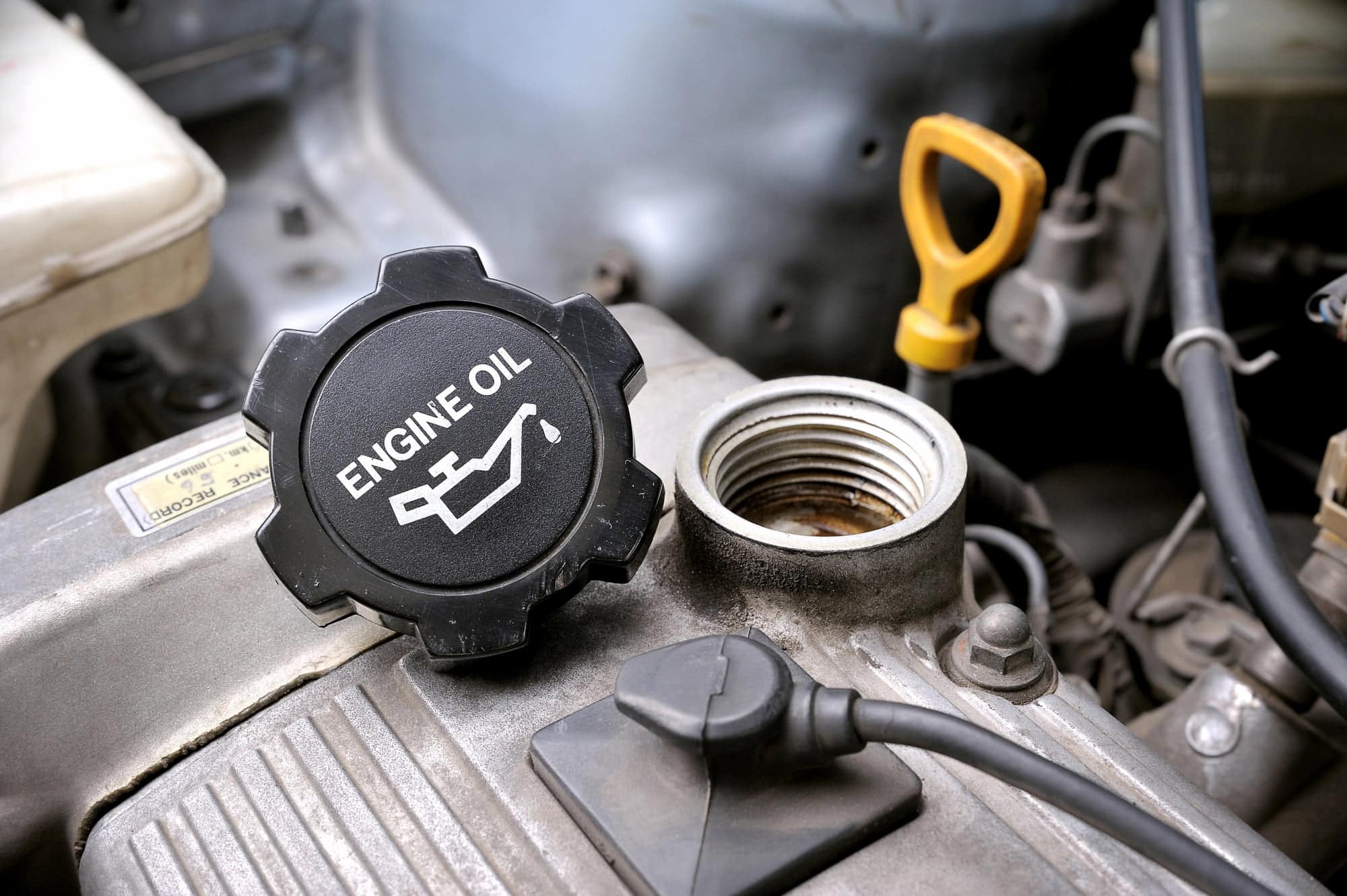
Bentley Oil Change at DART Auto
Most shops treat a Bentley oil change like any other luxury car – drain, fill, done. That approach misses the platform-specific nuances that separate proper maintenance from guesswork. Bentley's W12 and V8 engines demand precise fluid viscosity, exact fill volumes, and software-based service interval resets that generic shops simply don't have the tools or training to handle correctly. The Continental GT's dry-sump oiling system on 2004–2010 models, for example, requires priming procedures and fill sequences that differ fundamentally from conventional wet-sump designs. Skip those steps, and you risk air pockets, oil starvation on hard cornering, and accelerated bearing wear.
DART Auto's technicians use factory-level ODIS diagnostic software to reset service indicators, verify oil quality sensor readings, and confirm that the engine control module recognizes the new service interval. We source Bentley-spec 0W-40 or 5W-30 synthetic oil meeting VW 502.00/505.00 approvals, not the generic "European blend" that discount shops pour into everything. Our master techs follow OEM torque specs for drain plugs and filter housings – critical on aluminum oil pans where overtightening causes thread damage and undertightening leads to leaks. Since 2000, we've built our reputation on doing it right the first time, backed by our 3-year/36,000-mile warranty.
When you bring your Bentley to DART Auto, expect:
- Factory-correct fluid specs and fill volumes verified by VIN lookup
- Complete underbody inspection for leaks, worn suspension bushings, and brake pad life
- Software-based service interval reset using ODIS diagnostic platform
- Transparent communication about upcoming maintenance needs with no pressure to approve unnecessary work
Common Oil Change Issues on Bentley Vehicles
Bentley engines demand precision, and oil service on these hand-built powerplants reveals platform-specific challenges that generic shops often overlook. The W12 and V8 configurations used across Continental GT, Flying Spur, and Bentayga models share common failure paths that stem from both engineering complexity and real-world driving patterns.
- Sludge accumulation in VVT solenoids (2004–2011 Continental GT W12): The twin-turbo W12 uses variable valve timing actuators that clog when oil change intervals stretch beyond 10,000 miles or when owners use incorrect viscosity. Sludged solenoids trigger rough idle, hesitation, and eventually limp mode. The VW/Audi-derived W12 platform shares this vulnerability with Phaeton and A8 models of the same era.
- Turbocharger oil starvation (2012+ Continental GT V8, Bentayga V8): The 4.0L twin-turbo V8 feeds its turbos through small-diameter oil passages that are intolerant of degraded oil or particulate contamination. Delayed changes lead to bearing wear, shaft play, and the characteristic whistle-then-howl of a failing turbo. Replacement cost involves engine-out labor on many configurations.
- Cam phaser rattle on cold start (2013+ Flying Spur V8): When oil loses viscosity or the level drops even slightly, the cam phasers on the V8 rattle audibly for 3–5 seconds after cold start. This noise indicates inadequate oil pressure reaching the timing components and accelerates wear on the phaser lock pins.
- Oil consumption through PCV system (all W12 platforms): The W12's complex crankcase ventilation system allows oil vapor into the intake when the PCV valves stick or the separator membranes fail. Owners notice dropping oil levels between services and eventually carbon buildup on intake valves, compounding performance loss.
- Incorrect oil specification causing seal leaks (all models 2010+): Bentley specifies low-SAPS 5W-30 or 5W-40 oils to protect particulate filters and catalysts. Using conventional or high-SAPS oil swells seals unevenly, leading to rear main seal and valve cover gasket weeps within 5,000 miles of the incorrect service.
- Electronic oil level sensor false readings (Continental GT/GTC 2011–2018): The capacitance-based level sensor in the sump fails or reads incorrectly when contaminated oil coats the probe. Drivers see spurious low-oil warnings or, worse, no warning when the level is genuinely low, risking catastrophic engine damage.
Why Choose DART Auto for Bentley Oil Change
Most shops treat a Bentley oil change like any other luxury car – drain, fill, done. We know better. Bentley W12 engines (Continental GT, Flying Spur) hold 9+ quarts and demand VW 502.00 or 504.00 spec oil, not generic 5W-30. The 6.0L twin-turbo platforms (2004–2012) are notorious for cam follower wear when service intervals stretch past 10,000 miles or the wrong viscosity gets used. We stock the correct Mobil 1 ESP or Castrol Edge Professional formulations and verify your service history before recommending an interval reset.
Our technicians use factory ODIS diagnostic software – the same tool Bentley dealers rely on – to reset service indicators, check for stored fault codes, and verify oil-level sensor calibration after the fill. On 2013+ Continental models with the 4.0L V8 (CGTA/CGRA engines), we inspect the PCV valve and breather system during every oil change because carbon buildup in the intake can trigger misfires if left unchecked. Salaried techs mean no one rushes your drain plug or undertorques your filter housing – we torque to spec and document every step.
- Platform-specific fluids: VW 502.00/504.00 synthetics for W12 and V8 platforms, verified by VIN lookup
- ODIS diagnostic reset: Factory-level service light reset and post-fill sensor verification
- Complimentary multi-point inspection: Undercarriage leak check, brake fluid condition, coolant level, suspension bushings
- 3-year/36,000-mile warranty: Parts and labor coverage on every service since 2000
Symptoms – How to Know You Need This Service
Bentley's onboard systems track oil life based on fuel quality, engine temperature cycles, and driving patterns. You'll notice these signs when service is due:
- Service interval warning on the instrument cluster – typically appears 1,000 miles before the scheduled interval, giving you time to book an appointment without rushing
- Oil level low message – Bentley's electronic dipstick system alerts you when oil drops below minimum; consumption between changes is normal on high-performance engines, but consistent top-offs suggest a leak or excessive blow-by
- Dark, gritty oil on the dipstick – fresh synthetic should be amber and translucent; black, sludgy oil means you've exceeded the service interval or have combustion contamination
- Metallic ticking from the engine bay at cold start – worn oil loses viscosity and film strength, allowing lifters and cam followers to clatter until pressure builds; this noise should disappear within seconds of startup
- Rough idle or hesitation under load – degraded oil affects variable valve timing actuators on the 4.0L V8, causing sluggish cam phasing and drivability issues
- Burning oil smell through the HVAC vents – suggests oil seeping past valve stem seals or turbo oil feed lines, landing on hot exhaust components
- Check engine light with fault codes P0524 or P06DD – low oil pressure or degraded oil quality triggers these codes; stop driving immediately and check oil level
If you see oil pressure warnings or smell burning oil, pull over safely and shut down the engine. Continued operation risks catastrophic bearing damage. For service interval reminders and minor consumption, schedule within the next week.
Which Bentley Models We See for Oil Change
DART Auto services the full range of modern Bentley platforms, each with specific oil capacity and service requirements:
- Continental GT / GTC / Flying Spur (2004–2018, first and second generation) – 6.0L W12 twin-turbo requires 10.5 quarts with dry-sump priming on early models; 4.0L V8 twin-turbo (2013+) uses 9.0 quarts with integrated oil-to-coolant heat exchanger
- Continental GT / GTC / Flying Spur (2018–present, third generation) – updated 6.0L W12 and 4.0L V8 with revised service intervals; software reset requires ODIS Engineering or equivalent dealer-level access
- Bentayga (2016–present) – shares VW Group MLB Evo platform with Audi Q7/Porsche Cayenne; 4.0L V8 and 6.0L W12 variants use same fluid specs as Continental but with SUV-specific underbody access points
- Mulsanne (2010–2020) – 6.75L V8 naturally aspirated or twin-turbo; traditional wet-sump design with 9.5-quart capacity and cartridge-style filter requiring specialized wrench
- Arnage / Brooklands / Azure (1998–2009) – 6.75L V8 turbocharged or naturally aspirated; older platform with conventional drain plug and spin-on filter but requires specific Castrol Edge 0W-40 meeting older VW 502.00 spec
We handle both naturally aspirated and turbocharged variants across all model lines. For pre-1998 Turbo R and earlier models, we recommend contacting us directly to confirm parts availability and service procedures.
Causes & Risks – What Happens if Ignored
Bentley oil degradation stems from a mix of high-performance demands and ownership patterns. Short trips in Denver's stop-and-go traffic never bring the engine to full operating temperature, allowing fuel dilution and moisture contamination. Turbocharger heat cycles break down synthetic esters faster than naturally aspirated engines. Extended intervals – some owners stretch factory 10,000-mile recommendations to 15,000 or beyond – push additive packages past their useful life. The brand's complex PCV and direct-injection systems also introduce contaminants that accelerate oil breakdown.
When you delay an oil change on a W12 or V8 Bentley, the consequences cascade predictably:
- Weeks 1–4 past due: Additive depletion begins. Acids from combustion byproducts start etching bearing surfaces. You may notice slightly rougher idle or marginally increased oil consumption, but no warning lights yet.
- Months 2–4 past due: Sludge forms in the valve train and turbo oil feeds. VVT solenoids stick intermittently, causing hesitation under acceleration. Turbo bearings develop microscopic scoring. The oil's viscosity climbs as it thickens with contaminants, reducing flow to critical components.
- Months 5–8 past due: Turbocharger failure becomes likely – shaft play increases, seals leak, and you hear the telltale whistle. Cam phasers rattle persistently. The timing chain tensioner, which relies on clean oil pressure, begins to lose tension. On W12 engines, expect VVT actuator codes and limp mode. Repair costs jump from a $400 oil service to a $6,000+ turbocharger replacement or $8,000+ timing system overhaul.
- Beyond 8 months or 20,000 miles: Catastrophic engine damage enters the picture. Spun bearings, scored cylinder walls, seized camshafts. The repair estimate shifts from four figures to five, often exceeding the vehicle's depreciated value on older Continental GTs.
The safety risk escalates when oil starvation causes sudden power loss in traffic or on the highway. A failed turbo can dump metal debris downstream into the engine, triggering immediate shutdown. Loss of power during a merge or passing maneuver creates collision risk for you and surrounding drivers.
Safety Impact – Why Oil Change Matters
Neglecting oil service on a Bentley doesn't just threaten your wallet – it jeopardizes your ability to control a 5,000-pound luxury vehicle at speed. When oil pressure drops or contaminants choke critical passages, multiple safety-related systems lose functionality or behave unpredictably.
- Sudden power loss in traffic: Sludged VVT solenoids or a failing turbo can trigger limp mode without warning, cutting power to 30% and leaving you vulnerable in fast-moving highway traffic or during merges.
- Loss of power steering assist (hydraulic systems): Older Continental GT models use engine-driven hydraulic power steering. Contaminated oil in the pump or low pressure from a worn engine can reduce assist, making emergency maneuvers difficult, especially at low speeds in parking situations.
- Engine seizure while driving: Catastrophic bearing failure from oil starvation can lock the crankshaft instantly. On models without electric power steering or brake boost backup, you lose both steering assist and brake boost simultaneously – a terrifying scenario at any speed.
- Fire risk from oil leaks: Degraded seals caused by incorrect or overdue oil allow leaks onto hot exhaust components. Turbocharged engines run exhaust manifolds above 1,400°F; a steady drip of oil onto these surfaces creates a genuine fire hazard.
When to stop driving immediately: oil pressure warning light, loud metallic knocking from the engine, sudden loss of power with warning lights, or visible smoke from under the hood. When to schedule this week: persistent cold-start rattle, gradual oil consumption requiring top-ups between services, or any turbo whistle/whine.
From a liability standpoint, ignoring a known oil service deficiency before an incident can complicate insurance claims. If an adjuster discovers you were 12,000 miles overdue when the engine failed and caused a collision, expect scrutiny on your maintenance records.
How Bentley Oil Change Actually Works
A proper Bentley oil service goes far beyond draining old fluid and threading on a new filter. These engines use sophisticated oil management systems that require specific procedures, OEM-grade tooling, and electronic reset protocols that generic shops typically lack.
The W12 and V8 platforms monitor oil condition through multiple sensors: a capacitance-based level sensor in the sump, a pressure sensor at the filter housing, and a temperature sensor integrated into the dipstick guide tube (on models that still have dipsticks). The ECU tracks cold starts, operating temperatures, fuel dilution events, and turbo heat cycles to calculate remaining oil life. After service, the oil life counter must be reset using factory-level diagnostic software – ODIS for VW Group platforms or the Bentley-specific variant. Failing to reset this counter skews future service reminders and can trigger false warnings.
Bentley specifies drain-and-fill volumes precisely because overfilling causes aeration in the crankcase, while underfilling starves the turbos. The W12 takes 9.5 quarts; the V8 takes 8.5 quarts. The filter – a cartridge-style element inside a metal housing – must be torqued to exact specifications (25 Nm on most models) to prevent leaks or housing cracks. The crush washer on the drain plug is
How We Diagnose Oil Change Issues on Bentley
Bentley owners know their vehicles demand more than a quick-lube approach. At DART Auto, we treat every oil service as a precision diagnostic opportunity, catching problems before they cascade into expensive failures.
Our Step-by-Step Bentley Oil Change Diagnostic
- Pre-service scan with factory-level tooling. We connect Bentley-specific diagnostic equipment to read engine control module data, oil quality sensors, and service history codes. On Continental GT and Flying Spur models (2004–2019), this reveals oil degradation rates, turbocharger bearing health, and whether the previous service reset was performed correctly.
- Visual underbody inspection on the lift. We check for oil weeps at the oil pan gasket, rear main seal, and valve cover gaskets – common leak points on the 6.0L W12 and 4.0L V8 twin-turbo engines. Early detection saves you from oil-starved turbos.
- Oil sample analysis (when warranted). For high-mileage Bentleys or those with unknown service history, we examine drained oil for metal particulates, fuel dilution, and coolant contamination. This tells us whether internal wear is accelerating.
- Filter and drain plug inspection. We examine the old filter element and magnetic drain plug for metal shavings or sludge buildup – indicators of inadequate service intervals or wrong oil spec in prior services.
- Fluid level and condition check across all systems. While the vehicle is up, we verify coolant, brake fluid, power steering, and differential oil levels. Bentleys share fluids across complex systems; catching a low differential early prevents costly driveline damage.
Once diagnostics are complete, we walk you through what we found, what needs attention now, and what to monitor. You receive a transparent quote before any work begins – no surprises, no pressure.
Oil Change on Bentley: Repair vs. Replacement
Oil changes themselves are service, not repair – but the diagnostic process often reveals components that need decisions.
When Repair Makes Sense
- Minor oil seepage at valve covers or oil pan. If gaskets are weeping but not actively dripping, we can clean the area, monitor it, and schedule gasket replacement at the next major service. No need to interrupt your schedule for a slow seep.
- Clogged PCV system on V8 models. Carbon buildup in the crankcase ventilation can often be cleaned rather than replaced, restoring proper pressure regulation without parts cost.
When Partial Replacement Is the Smart Move
- Oil cooler lines showing surface corrosion. Replace the affected line, leave the cooler itself if it's sound. Common on 2004–2012 Continental GT models exposed to road salt.
- Single failed oil pressure sensor. Replace the sensor; the oil pump and galleries are fine. Bentley's multi-sensor setup means one can fail independently.
When Full Replacement Is the Right Call
- Oil pump failure on high-mileage W12 engines. If metal contamination is present, the entire lubrication system needs flushing and the pump replaced. Trying to patch it risks catastrophic engine damage.
- Turbocharger oil feed lines hardened or cracked. Replace both sides even if only one failed – the other is on borrowed time, and turbo replacement due to oil starvation costs exponentially more.
We lay out all three options with honest cost-benefit analysis. Our salaried technicians have zero incentive to upsell – they're paid to fix your Bentley right, not to maximize ticket size.
How to Make Your Bentley Oil Change Last Longer
Bentley engineers specify service intervals for a reason, but how you drive and maintain your vehicle between services determines whether components thrive or merely survive.
Driving Habits That Protect Your Bentley's Engine
- Let the engine reach full operating temperature before demanding full power. The W12 and twin-turbo V8 need 5–7 minutes of moderate driving before oil reaches optimal viscosity. Cold-start full-throttle runs accelerate bearing wear.
- Avoid extended idling in stop-and-go traffic. Bentleys run rich at idle to protect catalysts; this dilutes oil with unburned fuel. If you're stuck in traffic daily, consider shortening your oil change interval by 20%.
- Cool down after spirited driving. After highway runs or mountain drives, idle for 60–90 seconds before shutdown. This lets turbocharger bearings cool gradually, preventing oil coking in the center cartridge.
Maintenance You Can Monitor Yourself
- Check oil level weekly using the electronic dipstick. Bentleys consume oil by design under high load; low oil starves the variable valve timing system before it starves main bearings.
- Watch for blue smoke on cold starts. Valve stem seal wear is common on 2004–2010 models; catching it early means a top-end refresh instead of full engine work.
- Listen for timing chain rattle on startup. The 4.0L V8 uses chain-driven cams; stretch shows up as a brief rattle in the first two seconds after cold start.
What to Leave to the Professionals
Use only Bentley-approved 0W-40 synthetic oil – aftermarket "equivalent" oils lack the additive package these engines require. Software updates from Bentley occasionally revise oil change algorithms; we flash the latest calibrations during service. Never attempt to reset service intervals yourself without performing the actual service – the ECU tracks oil degradation, and false resets cause the computer to miscalculate remaining oil life, leading to sludge formation and premature wear.
What to Expect When You Bring Your Bentley In
We schedule Bentley appointments to avoid rushed work. When you arrive, we'll ask about recent performance, any dashboard warnings, and your last service date. You're welcome to wait in our lounge or use our complimentary shuttle within the Denver metro area – just let us know your preference when booking.
- Initial inspection and documentation: Your tech performs a visual underbody inspection, checks existing fluid condition, and photographs the oil filter and drain plug before removal. We verify your VIN against Bentley service records to confirm the correct oil spec and capacity.
- Service execution: We drain the sump completely (W12 engines can take 15+ minutes to fully evacuate), replace the OEM or Mann filter, install a new crush washer on the drain plug, and torque to factory spec. Fresh synthetic goes in, then we run the engine to circulate oil and verify the level sensor reads correctly on the instrument cluster.
- ODIS reset and final checks: Factory diagnostic tool resets the service interval, clears any nuisance codes related to oil level during the drain, and logs the service date. We road-test to confirm no leaks at operating temperature and re-check the level after cooldown.
- Pickup walkthrough: You'll receive a printed multi-point inspection report with photos of any wear items (brake pads, tire tread, suspension bushings). If we spot an oil seep at the cam covers or turbo feed lines, we'll show you the photos and explain whether it's monitor-now or address-soon. No surprise upsells – just transparent information so you can plan ahead.
After-hours key drop and pickup are available by arrangement. If anything feels off within the first 100 miles – oil pressure warning, unusual noise, dipstick level question – call us immediately. We'll have you back in the same day to verify everything and make it right at no charge.
Our Bentley Services
- Air Conditioning AC Repair
- Battery Repair Replacement
- Brake Repair & Brake Fluid Change
- Check Engine Light Diagnostics
- Clutch Repair & Replacement
- Coolant Leak Repair
- Cooling System Repair
- Drive Shaft Repair
- Engine Repair
- Exhaust & Catalytic Converter Repair
- Head Gasket Repair & Replacement
- Oil Leak Repair
- Scheduled Service Maintenance
- Steering Repair
- Suspension Repair
- Cambelt Timing Belt Replacement
- Transmission Repair
- Tune Up
- Wheel Alignment