
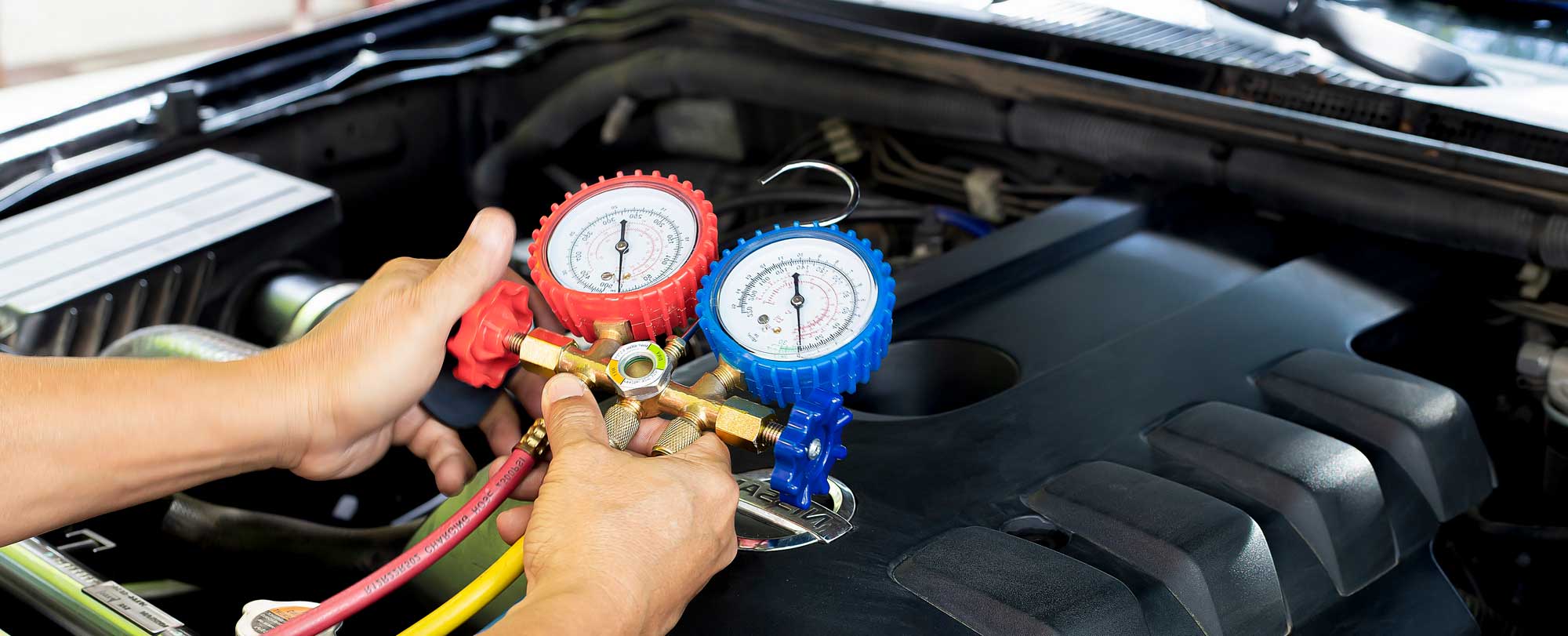
Bentley Air Conditioning AC Repair at DART Auto
Bentley climate control systems are engineered to deliver whisper-quiet cabin comfort at triple-digit speeds, which means they operate at pressures and tolerances that demand specialist attention. The multi-zone automatic climate systems in Continental GT, Flying Spur, and Bentayga models integrate directly with the CAN-BUS network, requiring VAG-specific diagnostic platforms to read fault codes, perform component adaptation, and execute proper refrigerant evacuation and recharge procedures. A generic shop lacks the factory scan tools to communicate with the climate control module or the torque specifications for compressor mounting on the W12 and V8 platforms.
DART Auto has invested in the same diagnostic hardware and service information Bentley dealers use, plus the specialty tooling required to service high-pressure R134a and R1234yf systems without contaminating refrigerant or damaging pressure sensors. Our master technicians follow OEM procedures for leak testing, compressor oil balancing, and electronic actuator calibration. We've seen the common failure points across Bentley platforms: evaporator core leaks behind the dash on 2004–2011 Continental GT models, compressor clutch bearing wear on early Flying Spur V8s, and condenser stone damage on Bentayga SUVs. When your Bentley's climate system falters, we diagnose the root cause and restore full function with OEM or premium aftermarket components backed by our 3-year/36,000-mile warranty.
Here's what you can expect when you bring your Bentley to DART Auto for air conditioning repair:
- Complete system pressure testing and electronic leak detection using refrigerant-specific sniffers and UV dye tracing
- VAG diagnostic scan to retrieve climate control fault codes, actuator positions, and refrigerant pressure sensor data
- Transparent explanation of which components have failed, why they failed, and what happens if you delay the repair
- Proper refrigerant recovery, vacuum testing, and recharge to OEM specifications with correct compressor oil volume
Common Air Conditioning AC Repair Issues on Bentley Vehicles
Bentley climate control systems are engineered for precision comfort, but their complexity introduces failure points that generic shops often misdiagnose. The brand's reliance on multi-zone automatic climate control, refrigerant pressure sensors, and integrated cabin air quality systems means that what appears as "weak cooling" frequently stems from electronic faults rather than simple refrigerant loss.
- Refrigerant leaks at condenser connections (2004–2012 Continental GT/Flying Spur): The front-mounted condenser on early Continental platforms sits low and exposed. Road debris and salt corrosion cause pinhole leaks at brazed joints and line fittings. These leaks allow R134a refrigerant to escape slowly, triggering low-pressure faults that disable the compressor clutch entirely. The system won't cool at all once pressure drops below threshold.
- Compressor clutch coil failure (2006–2013 Continental models): The electromagnetic clutch coil that engages the AC compressor degrades from heat cycling and moisture intrusion. Owners notice intermittent cooling – the system works cold in the morning but quits after highway driving. The compressor itself may be fine; only the clutch assembly needs replacement, but misdiagnosis often leads to unnecessary compressor swaps.
- Evaporator core corrosion (2003–2010 Arnage, Azure, Brooklands): The evaporator – buried deep in the dashboard – develops pinhole leaks from internal corrosion accelerated by moisture and road salt. Repair requires full dashboard removal, a 12–16 hour job. Early symptoms include a sweet refrigerant smell in the cabin and oily residue on the passenger footwell carpet.
- Blower motor regulator failure (all models 2005–present): The final-stage resistor controlling blower speed burns out from sustained high-speed operation in hot climates. Owners lose all fan speeds except maximum, and the cabin becomes uncomfortably loud. The module sits behind the glove box and fails without warning.
- Dual-zone actuator binding (2013–2018 Continental GT V8/W12): Plastic blend-door actuators that control temperature zones crack internally or bind from debris in the HVAC plenum. One zone blows hot while the other blows cold, regardless of settings. The fault often throws no codes initially, complicating diagnosis without proper scan tools.
- High-pressure sensor drift (2010–2016 Mulsanne): The refrigerant pressure sensor feeding data to the climate control module drifts out of spec with age. The system cycles the compressor erratically or refuses to engage, even with correct refrigerant charge. Replacement requires evacuating the system and recalibrating with factory scan tools.
Why Choose DART Auto for Bentley Air Conditioning AC Repair
Bentley climate control systems are precision-engineered, multi-zone networks that rely on proprietary software calibrations, dual-refrigerant circuits, and HVAC modules that communicate over high-speed CAN-bus architecture. Unlike domestic platforms, a weak airflow complaint on a Continental GT or Flying Spur often traces to a failed blower-motor regulator, clogged evaporator drains specific to the VW D1 platform, or refrigerant leaks at crimped aluminum lines that require OEM replacement – not universal hose assemblies. DART Auto invests in the factory ODIS diagnostic suite and refrigerant identifiers that verify R134a purity before charging, matching the tooling Bentley dealers use without the markup.
Our master technicians follow TSB-driven procedures for known failure modes: evaporator temperature sensor drift on 2004–2012 Arnage and Azure models, compressor clutch bearing wear on early Bentayga V8s, and blend-door actuator recalibration after battery disconnects. Because our technicians are salaried rather than flat-rate, they take the time to perform leak-detection with UV dye and nitrogen pressure-hold tests, isolating the root cause instead of topping off refrigerant and sending you out the door. Every repair is backed by our 3-year/36,000-mile parts-and-labor warranty, and we source OEM compressors, condensers, and dryers from trusted European suppliers to preserve long-term system integrity.
- Platform expertise: familiarity with VW D1, MSB, and MLB-Evo HVAC control logic and service modes
- OEM-grade diagnostics: ODIS scan tools for fault-code analysis and actuator adaptation
- Proper refrigerant handling: R134a and R1234yf recovery, vacuum procedures, and charge verification by weight
- No shortcuts: salaried techs eliminate the incentive to skip leak tests or reuse O-rings
Symptoms – How to Know You Need This Service
Bentley climate systems give clear warnings when components begin to fail. You may notice warm air blowing from the vents even when the system is set to maximum cooling, or inconsistent temperatures between driver and passenger zones despite correct settings. A high-pitched squeal or grinding noise from under the hood when the AC is engaged points to compressor clutch bearing failure or serpentine belt misalignment. Musty or moldy odors from the vents indicate microbial growth on the evaporator core, common when drain tubes clog and trap moisture.
Watch for these specific symptoms that indicate your Bentley needs air conditioning repair:
- Reduced or absent cooling despite fan operation and correct temperature settings
- Visible refrigerant oil stains on the compressor housing, condenser, or AC lines
- Intermittent cooling that works only at highway speeds, suggesting low refrigerant charge or condenser airflow blockage
- Dashboard climate control warnings or fault messages on the multi-function display
- Hissing sounds from under the dash when the system cycles, indicating refrigerant leaks at the evaporator or expansion valve
- Compressor clutch that cycles on and off rapidly, a sign of low refrigerant or pressure switch failure
- Foggy or frosted AC vents, which can mean a clogged expansion valve or evaporator temperature sensor fault
If you hear loud grinding or see smoke from the engine bay when the AC engages, turn off the system immediately and schedule service. A seized compressor can damage the serpentine belt and leave you stranded.
Which Bentley Models We See for Air Conditioning AC Repair
DART Auto services air conditioning systems across the full range of modern Bentley platforms, from the Continental GT coupe and convertible to the Flying Spur sedan and Bentayga SUV. We regularly work on 2004–2011 Continental GT and GTC models with the 6.0L W12 engine, where evaporator core leaks and blower motor failures are common after 60,000 miles. The second-generation Continental GT (2012–2018) and Flying Spur (2014–2019) share similar climate architecture but introduced R1234yf refrigerant, requiring updated recovery and recharge equipment. Bentayga SUVs (2016–present) use a larger condenser mounted low in the front fascia, making them vulnerable to road debris damage and refrigerant loss.
We commonly see these Bentley models and platforms for air conditioning repair:
- Continental GT and GTC (2004–2011, first generation with W12 and V8 engines)
- Continental GT and GTC (2012–2018, second generation, R1234yf refrigerant)
- Flying Spur (2006–2013, first generation W12)
- Flying Spur (2014–2019, second generation with V8 and W12 options)
- Bentayga (2016–present, all engine variants including V8, W12, and hybrid)
- Mulsanne (2010–2020, long-wheelbase and standard models)
If you own a pre-2004 Arnage or Azure, call us to discuss parts availability and service options. Our focus remains on the VW Group-era Bentley platforms where we maintain the deepest diagnostic capability and parts supply relationships.
Causes & Risks – What Happens if Ignored
Bentley AC failures stem from the intersection of British luxury engineering and real-world operating conditions. The brand's use of aluminum components and complex electronic controls means that heat, moisture, and road salt accelerate wear faster than in simpler systems. High-performance engines generate substantial underhood temperatures, stressing hoses and seals. Stop-and-go city driving in summer heat cycles the compressor clutch thousands of times, fatiguing the electromagnetic coil.
Delaying AC repairs on a Bentley sets off a predictable cascade. A small refrigerant leak forces the compressor to work harder with insufficient lubrication – refrigerant carries PAG oil that lubricates internal components. Within weeks of low charge, metal-on-metal contact scores the compressor's pistons and cylinders. What started as a $400 leak repair becomes a $3,200 compressor replacement plus condenser and drier replacement to meet OEM contamination protocols.
Ignoring blend-door actuator faults allows broken plastic fragments to jam in the HVAC plenum, blocking airflow entirely and overheating the blower motor. The motor burns out, and debris migrates into the evaporator fins, restricting airflow permanently. A $600 actuator job becomes a $4,800 dash-out evaporator replacement.
- Compressor seizure: Low refrigerant starves lubrication; the compressor locks up and shreds the serpentine belt, leaving you stranded and risking damage to the alternator and power steering pump.
- Evaporator freeze-up: A failing pressure sensor allows the evaporator to ice over, blocking all airflow and causing windshield fogging that creates dangerous visibility loss.
- Electrical module damage: Refrigerant leaks near wiring harnesses cause corrosion in expensive control modules, spreading a $300 leak into a $2,400 climate control computer replacement.
- Interior mold growth: Leaking evaporators saturate the cabin insulation with moisture, fostering mold that triggers respiratory issues and leaves permanent odors requiring full interior remediation.
Safety Impact – Why Air Conditioning AC Repair Matters
AC failure in a Bentley isn't just about comfort – it directly affects driver alertness and vehicle control. Cabin temperatures exceeding 100°F impair reaction time and decision-making, especially on long highway drives. Windshield fogging from a failed defroster mode (which relies on AC to dehumidify air) eliminates forward visibility in seconds during rain or temperature swings.
The compressor shares the serpentine belt with the alternator, power steering pump, and water pump on most Bentley platforms. A seized compressor locks the belt, killing electrical charging and power steering simultaneously. Drivers lose brake assist and steering assist without warning, creating crash risk in traffic. The W12 engine's tight packaging means a shredded belt can wrap around the crankshaft pulley and damage the harmonic balancer, leading to catastrophic engine failure.
- Stop driving immediately: If you hear grinding from the compressor area, smell burning rubber, or see the battery warning light with AC engaged – the compressor may be seizing.
- Schedule within days: Persistent windshield fogging that defrost mode can't clear, or cabin temperatures that won't drop below 85°F on a cool day – the evaporator or blend doors may be failing.
- Schedule within two weeks: Intermittent cooling, unusual smells from vents, or one zone blowing wrong temperatures – early electronic or actuator faults that won't strand you but will worsen.
Insurance adjusters scrutinize known defects after accidents. If a fogged windshield contributed to a collision and service records show ignored AC warnings, liability questions arise. Bentley's onboard diagnostics log fault codes with timestamps – evidence that deferred maintenance played a role.
How Bentley Air Conditioning AC Repair Actually Works
Bentley AC systems use a closed-loop refrigerant cycle with electronic pressure monitoring and multi-zone temperature control. The compressor – driven by the serpentine belt – pressurizes R134a refrigerant into a hot, high-pressure gas. This gas flows to the front-mounted condenser, where ram air and electric fans cool it into a high-pressure liquid. The liquid passes through a receiver-drier that removes moisture and debris, then reaches the expansion valve at the firewall. The valve meters refrigerant into the evaporator core (inside the dashboard), where it vaporizes and absorbs cabin heat. The resulting cold, low-pressure gas returns to the compressor to repeat the cycle.
What sets Bentley apart is the integration of this mechanical cycle with the vehicle's CAN-bus network. The climate control module continuously monitors refrigerant pressure, evaporator temperature, and ambient conditions, adjusting compressor clutch engagement and blend-door positions in real time. This means proper diagnosis requires factory-level scan tools that can read live data streams and trigger actuator tests – capabilities most generic shops lack.
- Dual evaporators on Mulsanne: Separate front and rear evaporator cores demand independent refrigerant circuits with electronic expansion valves requiring calibration after any refrigerant work.
- Compressor displacement control: Variable-displacement compressors adjust cooling output electronically; they cannot be retrofitted with generic fixed-displacement units without triggering fault codes and reduced efficiency.
- Refrigerant oil specification: Bentley specifies PAG oil viscosity by model year and compressor type; using incorrect oil causes compressor failure within months, voiding any parts warranty.
- Blend-door calibration: After replacing actuators or disconnecting the
How We Diagnose Air Conditioning AC Repair Issues on Bentley
Bentley climate systems – whether the four-zone automatic setup in the Continental GT or the advanced Comfort Specification package in the Flying Spur – demand more than a simple pressure gauge check. These platforms integrate HVAC control through multiple CAN bus modules, servo-driven blend doors, and refrigerant management algorithms that respond to cabin sensors and GPS data. When a Bentley's air conditioning underperforms, the root cause often hides three layers deep in the control architecture.
Our diagnostic sequence reflects that complexity:
- Visual and operational baseline. We start outside the scan tool – inspecting condenser fins for debris or impact damage, checking compressor clutch engagement, and noting any unusual noise or odor from the vents. Road testing under load reveals whether the system fails only at idle or loses capacity under acceleration.
- Factory-level scan with ODIS or equivalent Bentley tooling. We pull fault codes from the climate control module, the A/C pressure sensor, and the refrigerant quality sensor (present on many post-2010 models). Live data streams show real-time pressures, evaporator temperature, and blend-door position – critical for isolating electrical faults from mechanical wear.
- Refrigerant recovery and system pressure testing. We evacuate the refrigerant into our recovery station, then perform a vacuum hold test to confirm the system seals. Any drop in vacuum points to a leak; we follow up with nitrogen pressure testing and UV dye tracing to pinpoint the exact location – often an evaporator core behind the dash or an O-ring at a hardline junction.
- Component-specific checks. Compressor clutch air gap, expansion valve operation, and cabin filter restriction all get measured against Bentley specifications. On Continental GT models (2003–2011), we pay close attention to the auxiliary coolant pump that supports the rear HVAC – its failure mimics refrigerant issues but requires a completely different repair path.
Once we've mapped the failure mode, you receive a detailed estimate that breaks down parts, labor, and the expected outcome. No guesswork, no upselling – just the repair your Bentley needs to restore full climate performance.
Air Conditioning AC Repair on Bentley: Repair vs. Replacement
Not every air conditioning fault demands a new compressor or evaporator. The right approach depends on the component's condition, the platform's service history, and the cost-to-benefit calculus of repairing versus replacing.
When Repair Makes Sense
- Refrigerant leaks at serviceable fittings. O-rings at hardline connections or Schrader valves can be replaced without condemning the entire assembly. We clean the mating surfaces, install OEM-spec seals, and pressure-test to confirm the fix.
- Blend door recalibration or servo replacement. If the mechanical linkage or stepper motor behind a blend door has failed but the door itself is intact, replacing the actuator restores function without tearing into the evaporator housing.
- Condenser stone damage (minor). Surface-level fin damage can be straightened and cleaned; only punctures or internal tube corrosion require condenser replacement.
When Replacement Is the Right Call
- Compressor bearing failure or internal seizure. Bentley compressors – particularly the Denso units on 2004–2012 Continental models – shed metal debris when they fail internally. That contamination circulates through the entire system, clogging the expansion valve and scoring the condenser. At that point, flushing and reusing old components invites a second failure within months. Full system replacement (compressor, condenser, expansion valve, receiver-drier) becomes the only durable solution.
- Evaporator core leaks. The evaporator sits deep behind the dashboard. Labor to access it runs eight to twelve hours on most Bentley platforms. If the core is leaking, replacing it with a new unit – rather than attempting a braze repair – ensures you won't repeat that labor bill in two years.
- Refrigerant contamination or moisture intrusion. If the system has been open to atmosphere for an extended period or shows signs of water in the refrigerant, the receiver-drier and expansion valve must be replaced to prevent ice blockages and corrosion.
We walk you through the decision with photos, pressure readings, and a clear explanation of what each option delivers. Our salaried technicians have no incentive to upsell – they're paid to fix your Bentley correctly, not quickly.
How to Make Your Bentley Air Conditioning AC Repair Last Longer
Once your Bentley's climate system is restored, a few deliberate habits keep it running efficiently for years.
Driving and Operating Practices
- Run the A/C monthly, even in winter. Ten minutes of compressor operation keeps seals lubricated and prevents refrigerant migration. Set the system to maximum cold and let it cycle.
- Use recirculation mode strategically. Recirculation reduces the load on the evaporator in extreme heat, but running it continuously traps moisture. Switch to fresh air mode periodically to purge humidity and prevent mold growth on the evaporator core.
- Allow the system to dry before shutdown. A minute or two before you park, switch the A/C off but leave the blower on high with fresh air mode. This dries the evaporator and reduces the bacterial film that causes musty odors.
Maintenance You Can Monitor
- Replace the cabin air filter on schedule. Bentley specifies replacement every 15,000 miles or annually. A clogged filter starves airflow, forcing the blower motor to work harder and reducing evaporator efficiency. The filter location varies by model – some are behind the glovebox, others under the cowl – but all are owner-accessible with basic tools.
- Inspect the condenser after winter. Road salt and debris accumulate between the condenser and radiator. A gentle rinse from behind (engine bay side) clears blockages that reduce heat exchange and spike high-side pressure.
- Watch for early warning signs. Diminished cooling on the passenger side, intermittent cold air, or a clicking sound from the dash often signal a failing blend-door servo or low refrigerant – both easier and cheaper to address before they cascade into compressor damage.
Professional Service Intervals
Bentley's official service schedule does not call for routine refrigerant replacement, but a biennial system performance check catches slow leaks and declining compressor efficiency before you lose cooling altogether. During that check, we verify pressures, inspect hose integrity, and scan for stored fault codes that haven't yet triggered a warning light. Keeping software up to date also matters – Bentley has issued multiple climate-control calibration updates that improve blend-door logic and compressor cycling on 2013-and-newer models.
Leave refrigerant work to the professionals. Federal law requires certified recovery equipment, and improper charging damages the compressor. DIY recharge kits sold at auto parts stores often contain sealants that clog expansion valves and void warranties. We use OEM-spec R134a (or R1234yf on 2017-and-newer models), measure the charge by weight, and verify system performance under load – the only way to confirm your Bentley's climate system will perform as intended through a Colorado summer.
What to Expect When You Bring Your Bentley In
Schedule your appointment online or by phone; we'll confirm your arrival time and ask about specific symptoms – warm air at idle, intermittent cooling, unusual odors, or dashboard fault messages. When you arrive, remove valuables and personal items from the cabin; our team will perform a multi-point inspection that includes scanning for stored climate-control codes, checking cabin-filter condition, and documenting current refrigerant pressures.
- Initial diagnostic session: We connect ODIS to read live data from the HVAC control module, cycling blend doors and temperature sensors while monitoring refrigerant high- and low-side pressures. If a leak is suspected, we inject UV dye and run the system under load.
- Written estimate and approval: You'll receive a detailed breakdown of findings – failed compressor clutch, leaking condenser, clogged expansion valve – with part numbers and labor scope. We explain what happens if you delay the repair (reduced cooling efficiency, compressor damage from low refrigerant) and answer questions before you approve.
- Repair execution: Technicians evacuate the system, replace faulty components using OEM or premium aftermarket parts, vacuum the circuit to remove moisture, and recharge to factory specifications by weight. Blend-door actuators are recalibrated via ODIS, and we verify vent temperatures with an infrared thermometer.
- Post-repair verification: We road-test your Bentley under varying loads and speeds, monitor system pressures, and re-scan for fault codes. At pickup, we walk you through what was done, show you the old parts if requested, and explain warranty coverage.
Loaner vehicles and local shuttle service are available during the repair. If after-hours pickup works better for your schedule, we'll arrange key drop-off in our secure lockbox. Should you notice any irregularities in the days following – inconsistent temperatures, compressor noise – contact us immediately; we'll diagnose and address the concern under warranty at no additional charge.
Our Bentley Services
- Battery Repair Replacement
- Brake Repair & Brake Fluid Change
- Check Engine Light Diagnostics
- Clutch Repair & Replacement
- Coolant Leak Repair
- Cooling System Repair
- Drive Shaft Repair
- Engine Repair
- Exhaust & Catalytic Converter Repair
- Head Gasket Repair & Replacement
- Oil Change
- Oil Leak Repair
- Scheduled Service Maintenance
- Steering Repair
- Suspension Repair
- Cambelt Timing Belt Replacement
- Transmission Repair
- Tune Up
- Wheel Alignment