
MINI Clutch Repair & Replacement at DART Auto
A customer walked into our shop last month describing how her 2013 Cooper S felt like it was "slipping between gears" on I-25. She'd been quoted over $3,200 at the dealer for a clutch replacement, and the advisor couldn't explain why the price was so high. After our inspection, we discovered not just a worn friction disc but also a failing dual-mass flywheel – a common pairing on the N14 and N18 turbo engines that power the second-generation Cooper S. Replacing one without addressing the other would have left her back in our bay within months.
MINI clutches endure unique stresses. The brand's go-kart handling philosophy means aggressive gearing and tight engine mounts that amplify drivetrain shock. The Getrag GS5-52BG and GS6-53BZ transmissions used across R56, F55, and F56 platforms demand precise flywheel resurfacing tolerances and specific clutch-alignment procedures. Many generic shops skip the flywheel inspection or reuse hardware that should be replaced, leading to premature failure. We use factory repair data, OEM or premium aftermarket kits from LuK and Sachs, and the correct alignment tools to ensure smooth engagement and maximum lifespan.
When you bring your MINI to DART Auto for clutch work, you can expect:
- Complete drivetrain inspection – flywheel condition, pilot bearing, throwout bearing, hydraulic lines, and slave cylinder all checked before reassembly
- Platform-specific procedures – torque specs, break-in guidelines, and fluid recommendations tailored to your exact transmission and engine code
- Transparent diagnosis – we'll explain what failed, why it failed, and what ancillary parts should be addressed now versus monitored
- 3-year/36,000-mile warranty – parts and labor covered, giving you confidence in the repair
Common Clutch Repair & Replacement Issues on MINI Vehicles
A customer drove her 2009 MINI Cooper S into our shop last month complaining of a burning smell and difficulty shifting into first gear at stoplights. Within minutes, our technician identified a classic R56 clutch failure – the friction material had worn through to the rivets, and the flywheel showed heat scoring. This scenario plays out regularly with MINI vehicles, and recognizing the patterns early saves both money and frustration.
- R56/R57 (2007–2013) clutch judder and premature wear: The dual-mass flywheel on first-generation turbocharged Cooper S models often develops damper spring failure between 60,000 and 90,000 miles. Owners report violent shuddering during engagement, especially when cold. The OEM Getrag/LuK clutch system requires both flywheel and clutch replacement as a matched set – reusing a worn flywheel guarantees repeat failure within months.
- F55/F56 (2014–present) hydraulic release bearing failure: The concentric slave cylinder integrated into the release bearing leaks internally, causing soft pedal feel and difficulty disengaging the clutch. This happens most frequently on 2014–2016 models and requires complete clutch assembly removal to access – there is no external bleed or adjustment.
- R53 supercharged models (2002–2006) pressure plate spring fatigue: High-mileage examples develop weak clamping force, leading to slippage under boost. The symptom appears as RPM flare during aggressive acceleration while the car fails to accelerate proportionally. Left unaddressed, flywheel heat damage becomes inevitable.
- Clutch pedal switch failure across all generations: The over-center spring mechanism and position sensor on the pedal assembly wear out, preventing engine start even when the pedal is fully depressed. This electronic fault mimics a mechanical clutch problem but requires only switch replacement.
- R50/R52/R53 (2002–2008) cable-actuated clutch stretch: Earlier non-S models use a mechanical cable that stretches over time, creating excessive free play. Owners describe the engagement point moving toward the floor and difficulty finding gears. While cable adjustment helps temporarily, replacement becomes necessary once the adjuster reaches its limit.
Why Choose DART Auto for MINI Clutch Repair & Replacement
A Denver driver brought in a 2010 MINI Cooper S with second-gear grind and a clutch pedal that felt like it was fighting back. The previous shop had quoted a basic clutch kit, but our technicians knew better. R56-generation MINIs suffer from dual-mass flywheel failures that mimic clutch symptoms, and skipping the flywheel inspection means the customer is back in six months with the same complaint. We pulled the transmission, confirmed flywheel chatter, and replaced both components with OEM-spec parts. The car left smooth, and the owner hasn't been back for clutch issues since.
DART Auto brings factory-level MINI expertise without the dealer markup. Our master technicians have logged hundreds of clutch jobs across R50, R53, R56, and F-series platforms, and we know the failure patterns cold: slave cylinder leaks on hydraulic systems, pressure plate hot spots from spirited driving, and the notorious getrag six-speed input shaft wear that shows up as clutch slip but isn't a clutch problem at all. We use the same diagnostic procedures and tooling the dealer relies on, including ISTA/D scan capability to monitor clutch adaptation values and confirm proper bite-point learning after installation.
- Platform-specific diagnosis: We distinguish between clutch wear, hydraulic faults, and transmission-side issues before quoting parts.
- OEM and premium aftermarket parts: We source components from trusted MINI suppliers, not bargain-bin kits that fail early.
- Complete assembly replacement: Pressure plate, disc, release bearing, and flywheel inspection or replacement as a system, not piecemeal patches.
- Post-install verification: Road test under load, scan-tool confirmation of adaptation, and pedal-feel check before you leave.
Symptoms – How to Know You Need This Service
Clutch wear announces itself in ways that range from subtle to alarming. Pay attention to these warning signs:
- Slipping under load – engine RPM climbs during acceleration but the car doesn't accelerate proportionally, especially noticeable in higher gears or uphill
- High engagement point – the clutch pedal grabs near the top of its travel instead of midway, indicating friction material loss
- Burning smell – a sharp, acrid odor after spirited driving or hill starts signals overheating friction surfaces
- Chattering or shuddering – vibration through the pedal or cabin during engagement often points to a warped flywheel or contaminated disc
- Difficulty shifting – grinding into gear or refusal to engage first or reverse can mean a dragging clutch that isn't fully releasing
- Soft or spongy pedal feel – air in the hydraulic line or a failing slave cylinder reduces pedal resistance and makes shifting vague
- Noise when depressed – squealing or rattling with the pedal down typically indicates a worn throwout bearing
- Pedal sticking to the floor – a hydraulic failure requiring immediate attention; do not continue driving
If you experience slipping or a burning smell, schedule service soon to prevent flywheel damage. A pedal that won't return is a safety issue – have the car towed rather than risk being unable to disengage the clutch in traffic.
Which MINI Models We See for Clutch Repair & Replacement
We service manual-transmission MINI models across multiple generations, each with distinct clutch and flywheel configurations. The platforms we see most often include:
- R50/R52/R53 (2002–2008) – first-generation Cooper, Cooper S, and Convertible with the Midlands or Getrag GS5-52BG five-speed; dual-mass flywheel common on S models
- R55/R56/R57 (2007–2015) – second-generation Clubman, hardtop, and Convertible; N14 and N18 turbo engines paired with Getrag GS5 or GS6 six-speeds; high incidence of dual-mass flywheel failure on early N14 cars
- R58/R59 (2011–2015) – Coupe and Roadster variants sharing the R56 drivetrain and common failure modes
- F54/F55/F56 (2014–present) – third-generation Clubman and hardtop with B38 and B48 engines; Getrag GS6-53BZ six-speed requires updated alignment tooling and revised torque sequences
- R60/R61 Countryman and Paceman (2011–2016) – ALL4 all-wheel-drive models add transfer-case considerations; front-drive variants follow R56 procedures
- John Cooper Works variants – uprated clutch kits and stiffer engine mounts across all generations; require performance-spec parts to handle increased torque
We do not regularly service R53 CVT automatics or earlier classic Minis with A-series engines, as those require specialized vintage expertise. If your model isn't listed, call us – we'll let you know honestly whether we're the right shop for your car.
Causes & Risks – What Happens if Ignored
MINI clutches wear faster than many owners expect because these cars encourage spirited driving. The combination of turbocharged torque, short gear ratios, and urban stop-and-go traffic accelerates friction material degradation. Denver's elevation compounds the issue – engines work harder in thin air, and drivers slip the clutch more during hill starts. The R56 generation's dual-mass flywheel was engineered for refinement, but its complexity makes it vulnerable to heat cycling and aggressive launches.
Delaying clutch replacement once symptoms appear triggers a cascade of expensive secondary damage:
- Flywheel heat damage: A slipping clutch generates extreme temperatures. Within 2,000–3,000 miles of noticeable slip, the flywheel surface hardens and warps. What started as a clutch-only repair now requires flywheel machining or replacement, adding significant cost.
- Transmission input shaft bearing wear: When the release bearing fails and begins dragging, it loads the input shaft bearing constantly. This wear pattern creates grinding noises and eventually damages the transmission case itself – a failure that can total the repair cost on an older MINI.
- Clutch disc hub spline damage: Severe judder from a failing dual-mass flywheel hammers the splines that connect the disc to the input shaft. Once these splines round off, the car becomes undriveable and requires both clutch and input shaft replacement.
- Hydraulic system contamination: A leaking concentric slave cylinder dumps brake fluid into the bellhousing, contaminating the new clutch friction material if not thoroughly cleaned. Skipping this cleaning step means the replacement clutch will slip immediately.
- Stranded vehicle and tow costs: Complete clutch failure leaves the car unable to move under its own power. What could have been a scheduled repair becomes an emergency tow and rushed service.
Safety Impact – Why Clutch Repair & Replacement Matters
A failing clutch directly affects your ability to control the vehicle in critical moments. When the clutch slips unpredictably during highway merging or uphill acceleration, you lose the power needed to avoid hazards. We've seen customers describe terrifying moments when their MINI couldn't accelerate out of danger because the clutch was slipping under load. Sudden clutch failure in traffic – where the pedal drops to the floor with no resistance – leaves you unable to select any gear, turning your car into a rolling obstacle.
Specific safety concerns that demand immediate attention:
- Stop driving immediately: Burning smell accompanied by slipping (RPM rises but speed doesn't), complete loss of pedal resistance, or grinding noises when shifting. These indicate imminent total failure.
- Schedule within the week: Difficulty engaging first gear, clutch engagement point near the floor, or noticeable judder during normal starts. These symptoms are progressing toward failure but haven't reached the critical stage.
- Plan for service soon: Slight pedal vibration, minor noise when depressing the pedal, or increased effort required to shift. These early warnings give you time to schedule properly.
Insurance adjusters scrutinize maintenance records after accidents. If a known clutch defect contributed to your inability to maneuver safely, you may face liability questions that proper maintenance would have avoided.
How MINI Clutch Repair & Replacement Actually Works
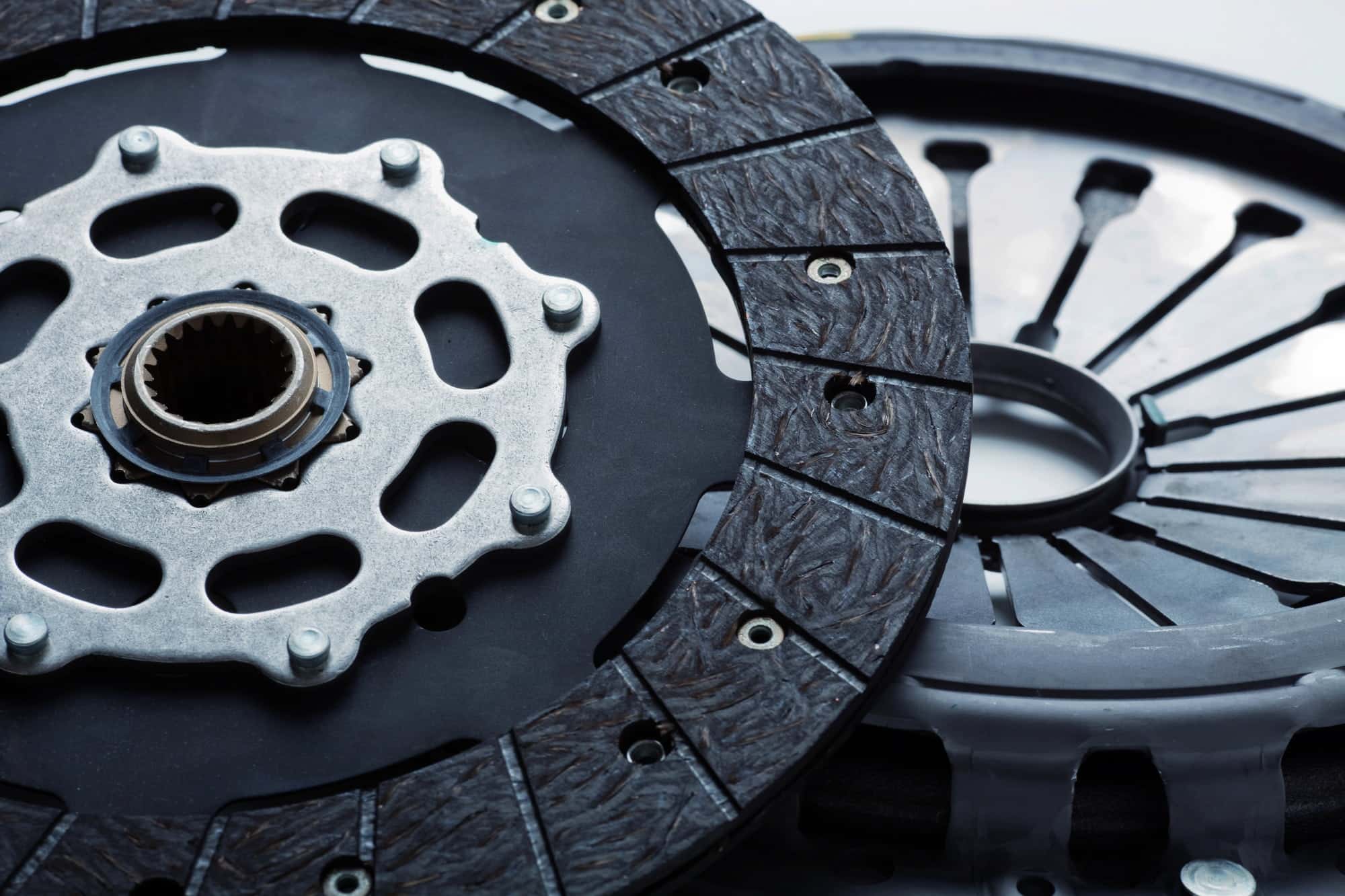
The clutch system in your MINI uses friction and spring pressure to connect the engine's flywheel to the transmission input shaft. When you press the pedal, hydraulic pressure (or cable tension on older models) moves the release bearing against the pressure plate fingers, releasing clamping force and allowing the clutch disc to spin freely. Release the pedal, and spring pressure clamps the disc between the flywheel and pressure plate, transferring engine power to the wheels.
MINI's implementation adds complexity that generic shops often underestimate:
- Dual-mass flywheel integration: R56 and newer turbocharged models use a two-piece flywheel with internal damper springs. This requires specialized alignment tools during installation and precise torque sequences – the flywheel bolts stretch and must be replaced, not reused.
- Concentric slave cylinder design: F-series MINIs integrate the hydraulic actuator into the release bearing itself. This means the hydraulic system must be bled using a pressure bleeder after installation, and the pedal position sensor requires adaptation through BMW diagnostic software.
- Transmission coding and adaptation: After clutch replacement, the DME and transmission control module need recalibration to relearn clutch engagement points and pedal travel. Without this step, shift quality suffers and fault codes appear.
- Bellhousing access challenges: Removing the transmission on transverse-mounted MINI engines requires disconnecting multiple subframe mounts, the exhaust system, and sometimes lowering the subframe itself. This labor-intensive process demands experience with BMW Group chassis design.
These platform-specific requirements explain why clutch replacement on a MINI takes longer and costs more than on a conventional economy car – and why choosing a shop with European-specific tooling and training makes the difference between a repair that lasts and one that fails prematurely.
A few months ago, a customer brought in their 2014 MINI Cooper S – third gear was grinding, and the clutch pedal felt spongy near the floor. They'd been nursing it along for weeks, hoping it was just a cable adjustment. One test drive told us otherwise: the clutch disc was glazed, the pressure plate had hotspots, and the throwout bearing was rattling like a tin can full of bolts. What started as "maybe just bleed the hydraulics" turned into a full clutch replacement, flywheel resurface, and slave cylinder refresh. That's the nature of clutch work on MINIs – small symptoms often hide bigger wear patterns, and catching them early makes all the difference.
DART Auto has been diagnosing and repairing European vehicles since 2000, and we've seen every flavor of MINI clutch failure: from R50/R53 cable-actuated systems that stretch and fray, to the hydraulic setups in F56 models that develop air pockets and master cylinder leaks. Our master technicians use factory-grade diagnostic tools and OEM repair procedures to pinpoint exactly what's worn, what's salvageable, and what needs replacement. We'll walk you through the findings, explain your options, and get your MINI shifting smoothly again – backed by our 3-year/36,000-mile warranty on parts and labor.
How We Diagnose Clutch Repair & Replacement Issues on MINI
Clutch diagnosis on a MINI starts the moment you describe the symptoms – slipping under acceleration, hard shifts, pedal feel changes, or grinding noises. We combine that history with a structured inspection to isolate the root cause.
- Road test and pedal-feel assessment. We drive the car through all gears, noting engagement point, pedal travel, slip under load, and any grinding or chatter. On R56 and newer models with hydraulic actuation, we check for soft or inconsistent pedal response that signals air in the system or a failing master/slave cylinder.
- Scan for fault codes and live data. We connect factory-level diagnostic software to pull codes from the DME and transmission modules. MINIs with electric clutch actuators (certain automatics and DCT variants) log clutch position, slip events, and adaptation values that reveal wear before you feel it.
- Visual inspection on the lift. We pull the inspection cover (where accessible) or drop the transmission for a direct look at the clutch disc, pressure plate, and flywheel. We measure disc thickness, check for oil contamination from a leaking rear main seal or input shaft seal, and inspect the throwout bearing and fork for cracks or excessive play.
- Hydraulic system pressure test. For hydraulic clutches, we bleed the system and test master/slave cylinder function. A weak master or a slave that doesn't fully retract will mimic clutch wear and lead to misdiagnosis if skipped.
- Flywheel and pilot bearing check. We measure flywheel runout and look for heat cracks, grooves, or step wear. The pilot bearing (where fitted) gets inspected for roughness – a failed pilot will cause input-shaft vibration and hard engagement even with a new clutch.
Once we've mapped the wear pattern, we write a detailed estimate that breaks out parts, labor, and any related work – rear main seal, transmission input seal, flywheel machining – so you know exactly what you're paying for and why. No guesswork, no upselling parts that still have life left.
Clutch Repair & Replacement on MINI: Repair vs. Replacement
True clutch repair is rare but possible. If the disc and pressure plate are within spec and the only issue is a stretched cable (R50/R53), a leaking slave cylinder, or air in the hydraulic line, we'll replace or bleed that component and send you on your way. Similarly, if the flywheel has minor glazing and no cracks, we can resurface it in-house and reuse the existing clutch assembly – common on low-mileage cars with a single overheat incident.
Partial replacement makes sense when one part of the system has failed but the rest is healthy:
- Throwout bearing or fork replacement. If the bearing is noisy but the disc and pressure plate measure good, we'll replace just the bearing and fork, especially on earlier R-series cars where these parts wear independently.
- Slave or master cylinder swap. Hydraulic MINIs (R56 onward) often need a new slave cylinder around 60,000–80,000 miles. If the clutch itself is fine, we replace the hydraulic actuator and bleed the system – no need to pull the transmission.
- Flywheel resurface with clutch reuse. Rare, but if a customer just replaced the clutch and the flywheel develops a hot spot from a single hard launch, we can machine the flywheel and reinstall the existing disc if it's not glazed.
Full replacement is the right call when the clutch disc is below minimum thickness, the pressure plate has lost spring tension, or the flywheel is cracked or warped beyond machining limits. On higher-mileage MINIs (over 80,000 miles), wear is usually systemic – disc, pressure plate, throwout bearing, and flywheel all degrade together, and replacing the whole kit prevents a comeback in six months. We walk you through the findings with photos and measurements, explain the cost difference between partial and full replacement, and let you make the call. Our technicians are salaried, not flat-rate, so there's zero incentive to oversell.
How to Make Your MINI Clutch Repair & Replacement Last Longer
Clutch longevity on a MINI comes down to how you drive and how you maintain the car. Small changes add thousands of miles to the friction material.
Driving habits that matter:
- Minimize clutch slip. Don't ride the clutch at stoplights or hold the car on a hill with partial engagement – use the brake. Slipping generates heat, glazes the disc, and warps the pressure plate.
- Smooth, deliberate shifts. Let the revs drop before releasing the clutch in higher gears. Quick, jerky engagement shocks the drivetrain and accelerates wear on the disc splines and pressure-plate fingers.
- Warm up before hard pulls. MINIs love to rev, but a cold clutch and transmission hate shock loads. Give the car two or three miles of gentle driving before launching or running through the gears hard.
- Avoid towing or heavy loads. MINIs aren't built for towing. Extra weight forces more slip during takeoff, overheating the clutch and shortening its life dramatically.
Maintenance you can do:
- Check the clutch fluid reservoir (hydraulic models) monthly – low fluid means a leak, usually at the slave cylinder.
- Listen for new noises: a chirp at idle that goes away when you press the pedal is a classic throwout-bearing warning.
- Watch for engagement-point creep – if the clutch starts grabbing higher or lower in the pedal travel over a few weeks, have it inspected.
What to leave to the professionals: Clutch bleeding on MINIs requires a pressure bleeder and the correct DOT 4 low-viscosity fluid – generic fluid or improper bleeding leaves air pockets that cause spongy pedal feel and incomplete disengagement. Flywheel resurfacing, clutch installation torque specs, and transmission alignment all require specialty tools and factory procedures. Trying to DIY a clutch job without a lift, alignment tool, and torque-angle gauge usually ends in a return trip to the shop – and added expense. Trust the experts for the hard stuff; we'll have you back on the road faster and safer.
What to Expect When You Bring Your MINI In
Clutch work is invasive, and you deserve to know exactly how we handle your MINI from arrival to pickup. Here's the process we follow for every clutch repair and replacement:
- Drop-off and intake: Schedule an appointment or call ahead. Bring your key fob and remove personal items from the cabin. If you need a loaner vehicle or shuttle service, let us know when you book – we'll arrange it.
- Initial inspection and diagnosis: Our technician test-drives your MINI to confirm symptoms, then lifts the car for a visual inspection of the clutch hydraulic system, shift linkage, and transmission mounts. We connect our scan tool to check for stored codes and review clutch adaptation data.
- Written estimate and approval: You'll receive a detailed estimate covering the clutch kit, flywheel (if needed), slave cylinder, and any related components we recommend. We explain what each part does and what happens if you delay the repair. No work starts without your go-ahead.
- Repair execution: We drop the transmission, inspect all friction surfaces, measure flywheel runout, and install new components to factory torque specs. Hydraulic systems are bled using the proper MINI procedure, and we reset clutch adaptation through the scan tool.
- Post-repair verification: Every car gets a road test under varied throttle and gear changes. We re-scan for codes, confirm smooth engagement, and check pedal travel. If something feels off during your first week, call us – we'll recheck it at no charge.
- Pickup walkthrough: We'll show you the old parts, explain what we found, and answer any questions about break-in or driving habits that extend clutch life.
After-hours pickup can be arranged if your schedule demands it. Your MINI leaves with a 3-year/36,000-mile warranty on parts and labor, and our service advisors stay available for follow-up questions long after you drive away.
Our MINI Services
- Air Conditioning AC Repair
- Battery Repair Replacement
- Brake Repair & Brake Fluid Change
- Check Engine Light Diagnostics
- Coolant Leak Repair
- Cooling System Repair
- Drive Shaft Repair
- Engine Repair
- Exhaust & Catalytic Converter Repair
- Head Gasket Repair & Replacement
- Oil Change
- Oil Leak Repair
- Scheduled Service Maintenance
- Steering Repair
- Suspension Repair
- Cambelt Timing Belt Replacement
- Transmission Repair
- Tune Up
- Wheel Alignment